BBC Bets on Imperfect Footage to Prove Blue Planet III Is Real
Executives pledge zero AI-generated frames, citing the rise of synthetic media as the reason for keeping cloudy water and visible equipment in the final cut.
By Petra Garnier ·
The new BBC nature series Blue Planet III will feature cloudier, less polished footage than its predecessors, a deliberate choice by producers to counter skepticism about AI-generated media. The series, narrated by David Attenborough, premieres on BBC1 and iPlayer on Sunday, November 1.
At a press screening, Jack Bootle, the BBC's head of specialist factual commissioning, told journalists that no generative AI was used in the production. He stated, "No gen AI was used in this series. Not a single frame. It's all real photography." This assurance comes as the broadcaster seeks to maintain trust in its natural history output.
Executive producer Elizabeth White explained that the team is "really leaning into that authenticity." She noted that in previous years, sequences with heavy plankton or visible boats and buoys might have been cut or reframed. Now, those details are retained. White said AI "makes us want to be even more authentic," and the animals filmed in the deep ocean "are probably more remarkable than AI could imagine and it's completely real."
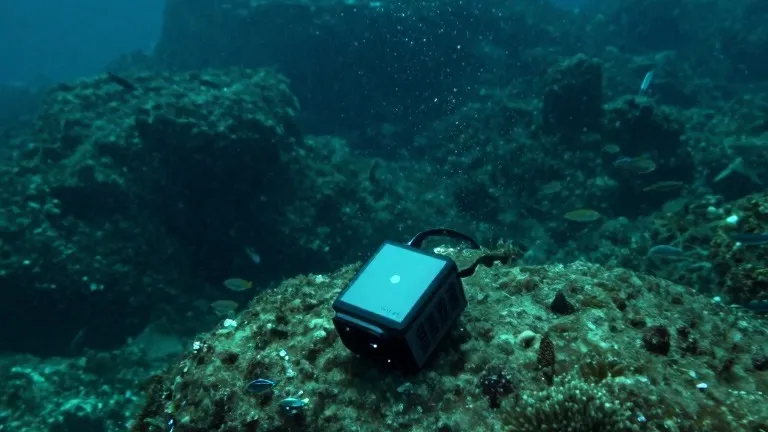
The series arrives nearly ten years after Blue Planet II and 25 years after the original broadcast. BBC Studios says the new installment focuses on animal behavior and utilizes new technology, including a device described as the world's first underwater CCTV camera, nicknamed the "stonefish" cam.
The "stonefish" cam was developed by series producer and director Yoland Bosiger. It captured footage of dolphins using sea sponges to block holes in coral and trap fish. Other new sightings include a grouper communicating with a different fish species, 200,000 crabs lining up to feed, and sea urchins using shells as sun hats.
Filming took four years across five oceans. Series producer Lara Bickerton said the team built a "mini-dome" camera to follow an octopus and a "deep-sea selfie stick." Camera operators also used leg-mounted scooters for immersive diving footage and lasers to film deep-sea animals.
The series addresses ocean threats, including climate change. One episode shows warmer seas killing sea anemones that house clownfish, with the fish attempting to repair their damaged homes. White said the series continues the plastics theme from Blue Planet II by examining pollutants and forever chemicals.
David Attenborough, who is 100, was "very much involved" in the project, according to Bosiger. He made changes to scripts and remains excited by new footage, White said. When asked about the BBC's £500m cost-cutting drive, White declined to comment on its impact on reputation but noted the series saved money by employing more local crews on location than in earlier productions.
Source: The Guardian