Apple Raises iPhone Duo Production Targets to 14 Million Units Amid Surge in Pre-Orders
The tech giant has significantly increased manufacturing goals for its new folding smartphone after initial delivery delays signaled unprecedented consumer interest.
By Giovanni Serrano ·
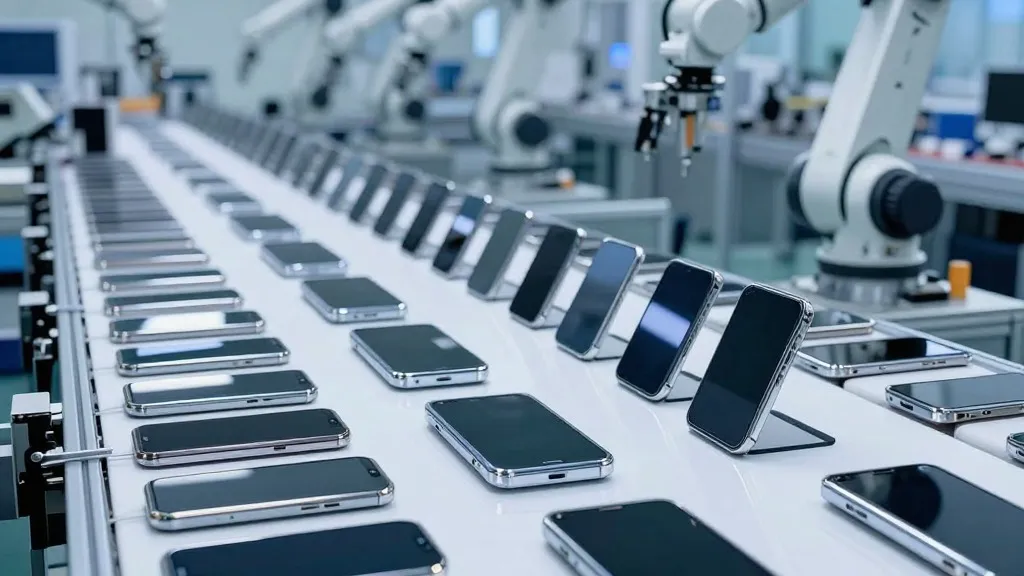
Apple has taken decisive action to meet the overwhelming demand for its newest device, the iPhone Duo, by raising its production targets by more than 40 percent. According to supply chain reports emerging today, the company has increased its shipment goals for the first twelve months of the product's lifecycle from 9.7 million units to 14 million. This move comes directly in response to what Apple characterized as extraordinary pre-order activity, confirming that the earlier delays were driven by strong consumer interest rather than initial supply chain hiccups.
The numbers behind this shift are substantial. By boosting the order count by over 40 percent, Apple is signaling a significant ramp-up in manufacturing capacity. The initial target of 9.7 million units was evidently insufficient to cover the volume of reservations coming in. The new figure of 14 million units reflects a calculated bet that the demand for the company's first folding iPhone will remain high throughout the first year. This increase represents a major logistical undertaking, requiring close coordination with component suppliers and assembly partners to ensure units are ready for distribution.
The timeline of these events began on Friday when pre-orders for the iPhone Duo officially opened. Almost immediately, customers noticed that estimated delivery dates were slipping. Some buyers reported wait times extending into late January. At the time, it was difficult to determine whether these delays were the result of a supply shortage or a surge in orders that overwhelmed the system. However, the latest reporting from DigiTimes, based on sources within the supply chain, points clearly to high demand as the primary driver. Apple had also implemented a limit of two units per customer in an effort to curb scalping, which may have further concentrated the demand among serious buyers.
In the days following the launch, a pattern emerged where some of the earliest customers were subsequently given earlier shipping estimates. This adjustment aligns with the recent reports of a production ramp-up. As Apple scales up manufacturing, the backlog of orders is being processed more quickly, allowing for tighter delivery windows for those who reserved the device first. This dynamic suggests that the initial panic over long wait times is already beginning to ease as the supply chain adjusts to the higher volume.
While the hardware availability is the primary focus, early adopters are facing a different set of challenges regarding software. Many third-party applications have not yet been optimized for the unique form factor of the iPhone Duo. Apple has stated that the situation is improving rapidly as developers update their apps to support the new device. The first wave of reviews, based on a week of usage, consistently highlights app support as one of the five key takeaways for new owners. This indicates that while the device is functional, the ecosystem is still catching up to the hardware's capabilities.
Another point of discussion among early users is the security technology used in the phone. The iPhone Duo utilizes Touch ID, a downgrade from the Face ID system found in many previous models. This decision has been a topic of conversation in the initial reviews. However, new information suggests that Apple is already looking ahead to the next iteration. Reports indicate that the company is currently testing prototypes for the iPhone Duo 2 that feature Face ID, implying that the Touch ID inclusion in the current model may have been a temporary compromise rather than a long-term design choice.
For consumers in the Mid-Atlantic and across the region, the implications are clear. If you are waiting for an iPhone Duo, the extended wait times may begin to shorten as production accelerates. The shift from a 9.7 million unit target to 14 million means more devices will be hitting shelves and mailboxes in the coming weeks. While the software ecosystem continues to mature, the hardware is now being produced at a scale that matches the intense market interest. The next few months will likely see a steady flow of devices, potentially making it easier to secure a unit than during the first few days of pre-orders.
The stakes for Apple with this product are high. As its first folding iPhone, the success of the iPhone Duo will likely determine the future of this form factor for the company. The rapid response to demand by increasing production targets shows confidence in the product's long-term viability. By addressing the supply issue proactively, Apple aims to maintain momentum and ensure that the initial excitement translates into sustained adoption. As the software updates roll out and Face ID returns in the next generation, the platform could become a significant player in the competitive smartphone market.
Source: 9to5Mac · original report published