
NASA Concedes 22 Launches Needed for Lunar Mission
A new internal assessment reveals that the Artemis program requires significantly more Starship flights than previously hoped to fuel a lunar lander.
By Olivia Grant ·
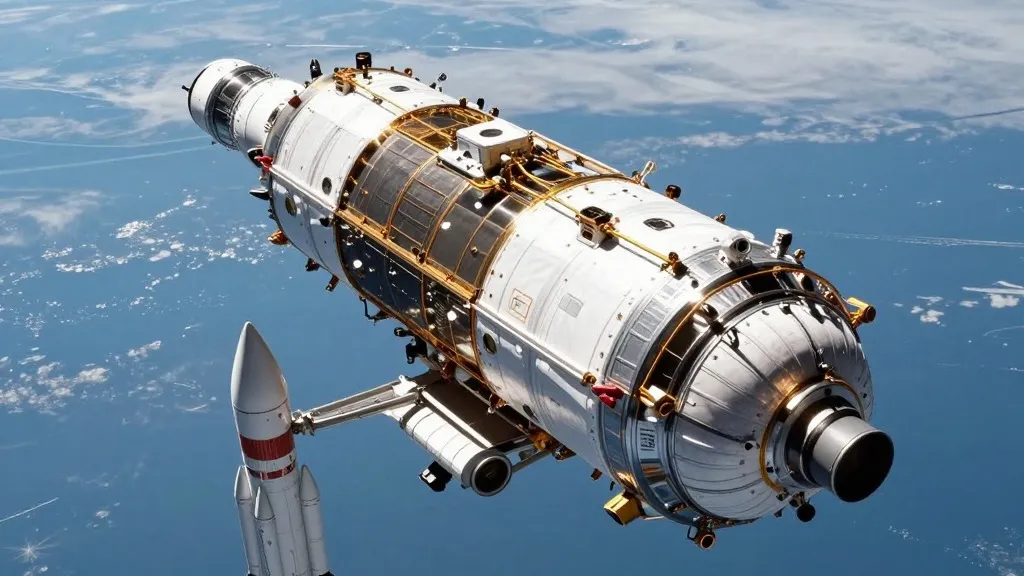
NASA has effectively abandoned its long-standing policy of opacity regarding the logistical requirements for the Artemis lunar landing. At the agency's Aerospace Safety Advisory Panel meeting held on Thursday, October 22, former astronaut and panel member Charlie Precourt disclosed a new estimate indicating that 22 Starship launches are required to support a crewed mission to the Moon. This figure represents a significant departure from previous, more conservative internal figures and underscores the growing complexity of the mission's fueling strategy in low-Earth orbit.
The primary driver of this increased launch count is the necessity to fully load a Starship-based lunar lander with liquid oxygen and methane propellant. The new calculation suggests a configuration involving one 'depot' Starship to serve as the stationary fueling station in orbit, followed by 21 separate 'tanker' Starships to deliver the required resources. This specific breakdown moves the operation well beyond the 'low double digits' that agency officials have historically cited as a baseline target.
For years, NASA has guarded this specific metric with unusual discretion, often comparing its secrecy to the handling of nuclear codes. The agency's reluctance to pin down a number stemmed from the evolving nature of SpaceX’s Starship rocket. In 2023, Lisa Watson-Morgan, then director of the Human Landing System, told reporters that while the agency had a general idea of the requirements, she was reluctant to commit to an exact figure. She later described the number as falling in the 'high single digits to the low double digits,' a range that implied roughly a dozen flights but left considerable ambiguity for mission planners.
The shift to a higher number reflects emerging concerns among NASA officials that the dramatic improvements in Starship’s lift capacity, which were expected to reduce the number of tanker flights, may not materialize on the current timeline. If SpaceX cannot significantly increase the payload capacity of each individual launch, the agency must plan for a higher volume of flights to achieve the necessary mass in orbit. This delay in performance gains threatens to complicate the schedule for returning humans to the lunar surface within the current decade.
The stakes of this logistical hurdle are high for the broader Artemis architecture. The reliance on a large number of launches introduces additional variables in terms of safety, scheduling, and cost. Precourt’s presentation at the quarterly safety meeting highlighted these risks, suggesting that the current trajectory requires careful management to ensure that the fueling process in orbit remains viable. The move away from optimistic projections toward a more conservative, higher number signals a pragmatic adjustment in the agency’s planning assumptions.
Contextually, this development marks a pivotal moment in the collaboration between NASA and SpaceX. The program’s success hinges on the ability to assemble a fully fueled spacecraft in orbit, a process that is inherently dependent on the frequency and efficiency of launch operations. The acknowledgment that 22 launches are necessary forces a re-evaluation of the critical path for the Artemis program, potentially impacting other concurrent efforts to prepare for deep space exploration.
Looking ahead, the focus will likely shift to how NASA and SpaceX manage the increased launch cadence. The new estimate provides a clearer, albeit more demanding, target for operational planning. As the agency moves forward, the emphasis will be on mitigating the risks associated with a higher number of orbital fueling operations, ensuring that the path to the Moon remains secure despite the added complexity.
Source: Ars Technica · original report published