Apple's 2001 iPod launch reshaped how consumers stored and moved music
The original device's 5GB storage and FireWire speed defined a new standard for portable audio that persisted until the smartphone era.
By Giovanni Serrano ·
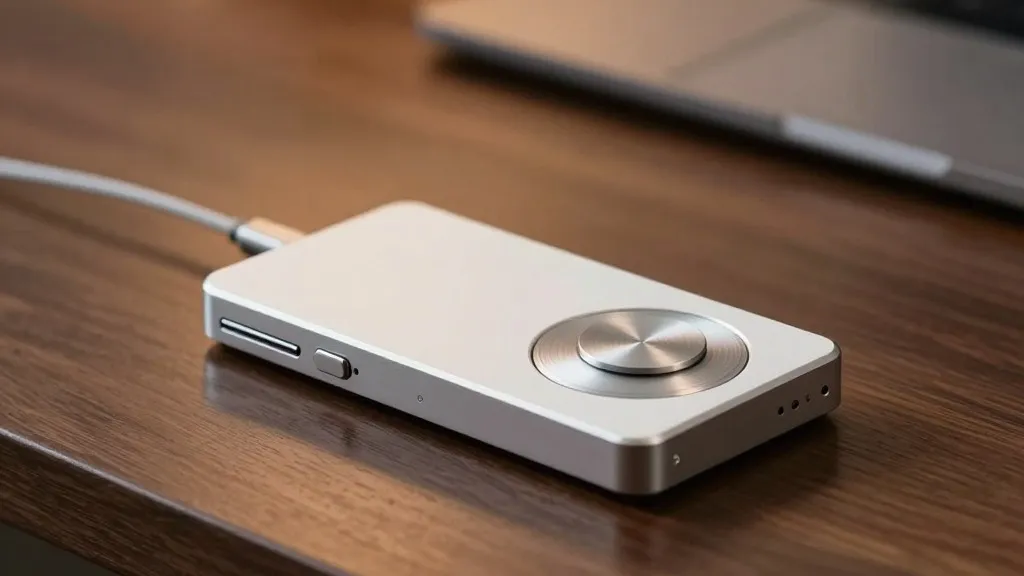
The original Apple iPod marked a decisive shift in consumer electronics by successfully fitting 1,000 songs into a device the size of a deck of cards. This specific combination of high storage capacity and compact physical dimensions solved a critical user problem that competitors had failed to address. For two decades, this product defined the expectations for portable digital media.
The launch occurred on October 23, 2001, during a period when Apple was firmly recovering from the dot-com bust. CEO Steve Jobs positioned the company as a hub for the digital lifestyle. He argued that a Mac computer should centralize data from various sources, including cameras and music players. At the time, no single company had established dominance in the portable music sector, despite the presence of major players like Sony and smaller firms such as Creative and Sonic Blue.
Jobs identified hard disk-based players as the optimal entry point for Apple's new product line. The device offered 5GB of storage, which allowed users to carry 1,000 tracks of CD-quality audio. The specific technical specification for this capacity was 1,000 MP3 files encoded at 160Kbps. This volume represented the entire music library for most consumers at the time. The price point was set at $399, a premium cost for a device that played only one type of media.
Physical design was a central pillar of the product's appeal. The internal hard drive was a 1.8-inch unit from Toshiba, measuring just 0.2 inches thick. This component allowed the entire device to measure 2.4 by 4 by 0.78 inches. The final weight was 6.5 ounces, which was lighter than most cell phones available in 2001. The exterior featured minimal surfaces and a durable build that emphasized ease of use.
Speed of transfer was another key differentiator. The iPod utilized a FireWire 400 connection, which was significantly faster than the USB standards common at the time. Jobs claimed that transferring a single CD of music took five to 10 seconds. In contrast, USB devices required approximately five minutes for the same task. Filling the entire 5GB device with 1,000 songs took about 10 minutes via FireWire, whereas a USB-based player would require five hours.
The device included a rechargeable lithium-polymer battery that provided 10 hours of continuous playback. Apple stated that the battery could reach 80 percent charge in one hour. The interface included a scroll wheel with a piezoelectric clicker that provided tactile feedback. This design allowed for one-handed operation and quick navigation through playlists, artists, or specific songs. The first track demonstrated on stage was Building a Mystery by Sarah McLachlan.
Software integration played a vital role in the device's success. iTunes 2 launched on the same day as the hardware. The Auto-Sync feature ensured that the music library curated on the Mac remained identical to the content on the iPod during every connection. This eliminated the need for manual file management. The device also functioned as a FireWire hard drive for other data storage needs.
The iPod line remained a core part of Apple's product stack until the rise of the smartphone. The first iPhone arrived in early 2007, leading to a period where both devices coexisted. The iPod's market relevance gradually declined as smartphones integrated music capabilities. The final model, the 7th-generation iPod Touch, was released in May 2019. Although the line was left without updates for several years, Apple officially discontinued the product in May 2022.
The legacy of the 2001 launch lies in its successful definition of the pocket-sized media player. It set the standard for storage capacity and user interface design in a category that eventually became redundant. The device remains a significant example of how hardware and software integration can create a dominant market position.
Source: Tom's Hardware · original report published