Discounted Tokyo Housing Draws Unsuperstitious Renters
Rising living costs are driving more residents to lease stigmatized apartments, with discounts reaching nearly 30% in popular districts.
By Petra Garnier ·
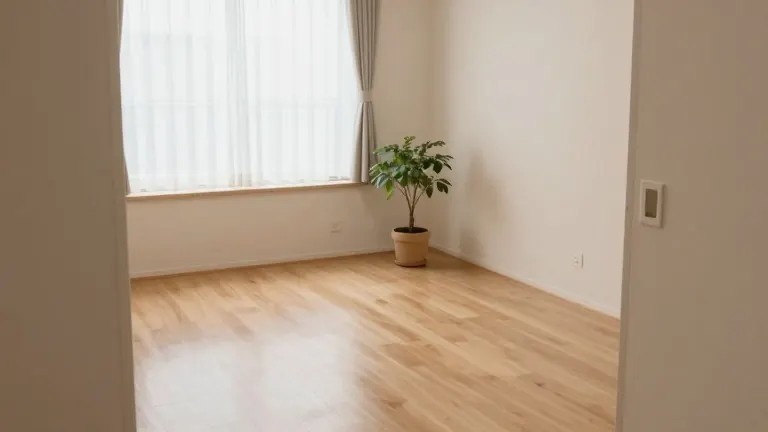
Housing costs in Japan continue to climb, pushing some residents toward properties with a specific history. These homes, known as jiko bukken, are designated as incident properties because a death occurred within them. Buyers and renters who are comfortable with the label are finding substantial price reductions.
Government guidelines issued in 2021 require estate agents to disclose specific deaths. These include suicide, murder, death by fire, and cases where a body remained undiscovered for a long time. For rental agreements, this information must be shared for three years. For properties listed for sale, the disclosure requirement is indefinite. This stands in contrast to the United Kingdom, which has no legal requirement to reveal deaths, and the United States, where laws vary by state.
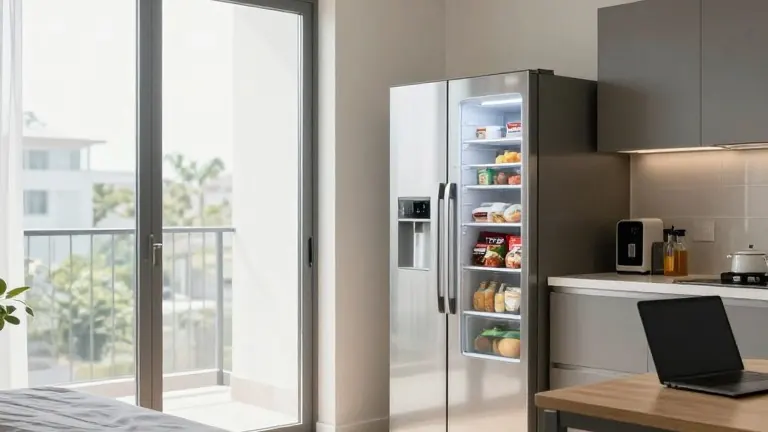
Ryua, a young entertainer who goes by her first name, illustrates the potential savings. She leases a 25 square meter bedsit in Setagaya, a fashionable ward in Tokyo. The rent is 45,000 yen, approximately 285 dollars, per month. Without the stigmatized status, the same unit would command 62,000 yen. This represents a discount of almost 30 percent. Ryua was informed that a man had taken his own life in the apartment before her tenancy began.
Erik Oskamp, a Tokyo estate agent, notes that Japanese culture remains sensitive to these properties. He explains that even apartments adjacent to cemeteries face difficulty in renting. Oskamp identifies suicide as the most problematic factor for potential tenants. Serious crime and lonely deaths also depress demand, though to a lesser extent than suicide.
The market for these homes has expanded beyond urban centers. Diane Tincher, a 79-year-old American tour guide who has lived in Japan for nearly 40 years, purchased a three-bedroom house in rural Kagoshima. The property was in a southwest region where a lonely death had occurred. Tincher paid 20 million yen for the home. Similar properties in that area typically sell for up to 45 million yen. She discovered the listing on Oshimaland, a crowdsourced website that tracks these properties.
Oshimaland launched in 2005 to cover Tokyo and later expanded across Japan and internationally in 2011. Founder Teru Oshima says such homes were once considered unattractive options for many buyers. That perception is shifting as the cost of living rises. A 2025 survey indicated that more than half of Japanese people would now rent a jiko bukken if the price were low enough.
Ryua remains in her Tokyo apartment after four years. She reports daily paranormal activity, including footsteps and sounds. She describes herself as a contrarian who wanted to befriend the spirit. She states that ghosts were once living human beings and deserve respect. The financial benefit of the lease has kept her in the unit despite the reported phenomena.
Source: BBC News
More Business · World news · Business Complaints · Report a business · Got a Story?