Toxic chemicals found in fake UK makeup
Testing revealed high levels of mercury, lead, and methanol in seized counterfeit beauty goods.
By Olivia Grant ·
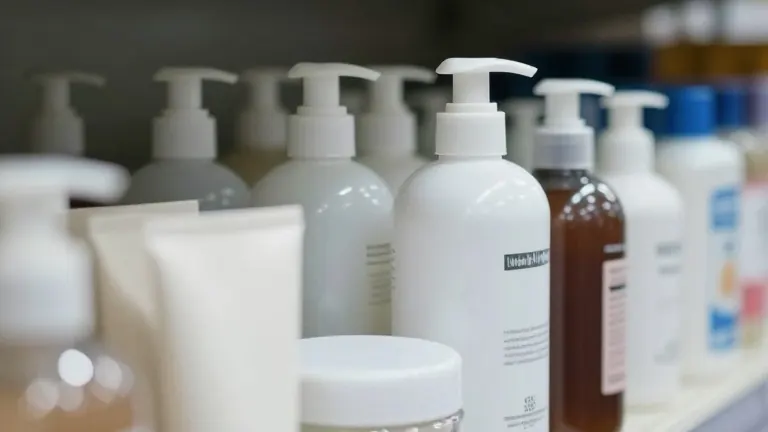
Trading Standards officials have identified dangerous substances in counterfeit beauty products seized throughout the United Kingdom. Laboratory tests on fifty of these items revealed high concentrations of mercury, lead, and methanol. One skincare product contained 13,200 parts per million of mercury. Another counterfeit fragrance was composed of approximately 80% methanol, a toxic alcohol that can cause serious poisoning if absorbed or inhaled.
The rise in fake goods has been tracked by the Intellectual Property Office. Their latest data shows that about 20% of 18 to 24 year olds knowingly bought counterfeit beauty products last year. That figure is a sharp increase from 6% in 2023. Surveys indicate that nearly three in four people who purchased fake cosmetics did so online. Because these products bypass standard health and safety regulations, they often lack accurate ingredient lists and undergo fewer quality checks than legitimate items.
Police and trading officers have conducted several major raids to remove these goods from the market. In July, the Police Intellectual Property Crime Unit and Greater Manchester police seized 1,666 counterfeit hair products, including extensions, shampoos, and conditioners. A separate operation in Bolton by Trading Standards officers uncovered goods worth 2 million pounds. The stockpile included perfume, cosmetics, clothing, and vapes found at a production facility inside a commercial property.
Experts warn that the dangers of these products are often invisible. Rani Ghosh, an independent toxicologist, noted that visible reactions like swelling or irritation are only part of the risk. She explained that substances like mercury and lead can affect the body internally without immediate signs. Ghosh said that consumers cannot determine the chemical content or production safety from packaging alone, making the source of the product a critical factor for personal health.
Helen Barnham, head of enforcement engagement at the IPO, emphasized that counterfeiters exploit the reputation of trusted brands. She stated that these products can look convincing but may contain dangerous substances made in unhygienic conditions. Barnham added that legitimate businesses work hard to meet rigorous safety standards that fakes ignore.
The IPO is launching a campaign called Face the Fakes to address the issue. The initiative works with content creators and the beauty industry to inform consumers. Millie Kendall, chief executive of the British Beauty Council, supported the move. Kendall stated that the industry relies on safety and trust, and she said the organization is proud to help consumers buy beauty with confidence.
The next step involves the public rollout of the Face the Fakes campaign. This effort aims to educate buyers on how to identify authentic products and reduce the prevalence of harmful fakes in the market.
Source: The Guardian