Warhound raises $200 million to create genetically edited dogs for combat
Backed by a $1.2 billion valuation, a new venture aims to solve the U.S. shortage of military working dogs by engineering animals with superior health and speed.
By Olivia Grant ·
Two hundred million dollars has been raised to fund a project that seeks to genetically engineer dogs for the U.S. military, law enforcement, and emergency response teams. The venture, Warhound, emerged from stealth mode on Thursday with a valuation of $1.2 billion. The funding round includes participation from Sequoia, 8VC, Corner Ventures, and In-Q-Tel, a firm backed by the CIA and other U.S. intelligence agencies.
The company argues that the current supply of working dogs is shrinking. More than 80% of the U.S. military's working dogs are imported from Europe, and fewer than half of those imported animals are fit for service. This reliance on foreign nations creates a vulnerability that Warhound intends to address by creating a new type of dog with characteristics suited to demanding missions.
Ben Lamm of Colossal Biosciences and Palmer Luckey of Anduril conceived the idea about a year ago. Lamm noted that many working dogs fail training due to inherited issues such as poor eyesight, cancer risks, or hip dysplasia. He believes that by editing the genes of top-performing breeds like the Belgian Malinois and German Shepherd, the team can enhance traits related to speed, agility, and olfactory sensitivity. The process involves placing cell lines from these breeds into a biobank and editing them to improve performance.
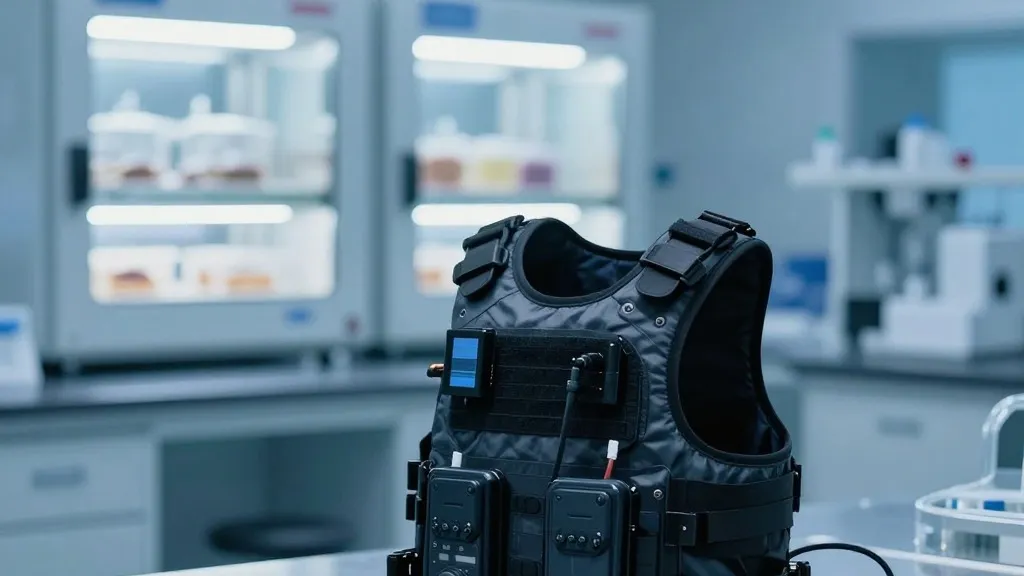
Anduril will provide the hardware and software components for the dogs. This includes protection vests and goggles designed to aid handlers with situational awareness. Lamm described the concept as adding technology to the dog rather than altering it internally, such as bulletproof vests equipped with data sensors that relay information to handlers. This setup is intended to make the dogs safer and improve their performance in the line of duty.
Lamm clarified that Luckey is a partner in the venture but holds no equity. Colossal Biosciences owns equity and supports the effort by licensing its technology. Colossal is known for its de-extinction work, including attempts to revive animals like the dodo and mammoth using AI and gene cloning techniques.
The first batch of dogs is currently being cloned and incubated by Viagen, another company under the Colossal umbrella. Lamm stated that Viagen's cloning technology has a high success rate, and the first births are expected early next year. The company aims to have these dogs in service within two years. While the pricing model is not yet defined, Warhound expects to sell to first responders, the Department of Defense, and police forces.
Regarding oversight, Lamm said the company has briefed various government groups. He also noted that each dog will undergo standard military working dog training and be managed by the purchasing entity. To ensure ethical treatment, the company is working with the American Humane Society to certify its training program. There is also hope that retired dogs will enter the Society's reunification program or other care initiatives.
The American Humane Society welcomed the collaboration in a statement released Thursday. The organization said it applauds Warhound and Colossal for inviting them to the table. The group emphasized its grounding in science and ethics and expressed its desire to ensure the animals in care are treated humanely.
Source: TechCrunch · original report published