Alaska Ballots: DOJ Moves to Separate Votes for Challenger Dan J. Sullivan
Federal prosecutors seek to isolate ballots ranking the Democratic challenger to investigate alleged voter confusion, a move that follows revelations of a criminal probe into the campaign's strategy.
By Giovanni Serrano ·
900
That is the number of state-licensed medical marijuana dispensaries in seven states that received federal registrations for the first time on Friday, a move that could unlock tax benefits for the industry. The U.S. Drug Enforcement Administration issued these documents to businesses in Alabama, Florida, Mississippi, South Dakota, Texas, Virginia, and West Virginia.
The registrations follow an order signed in April by Attorney General Todd Blanche. That order shifted the classification of state-licensed medical marijuana from Schedule I to Schedule III. Blanche stated that the regulated distribution of cannabis for medical use will help ensure broader access to chronic pain treatment and the safety of the American people. The agency had previously reserved Schedule I for drugs with high potential for abuse and no accepted medical use.
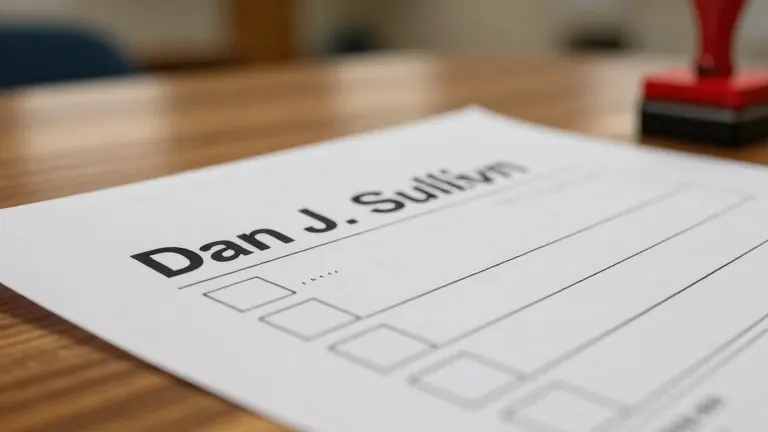
In Alaska, federal prosecutors are taking legal steps to investigate a Senate race that features two candidates with similar names. Assistant U.S. Attorney Bryan Wilson filed a document on Friday stating that the government seeks to preserve and segregate all ballots ranking Daniel J. Sullivan. The filing argues that there is a substantial risk that the candidacy of Dan J. Sullivan will mislead voters. The goal is to investigate whether such rankings were the product of voter confusion should that need become necessary.
The Department of Justice confirmed the existence of a criminal investigation related to an alleged scheme to confuse voters. This confirmation is highly unusual for federal prosecutors. The investigation follows reports that the campaign of Democratic candidate Mary Peltola was involved in recruiting a candidate named Dan J. Sullivan. Peltola denied on Thursday that she knew about an effort to place that specific candidate on the ballot. Republican incumbent Sen. Dan Sullivan is the current officeholder in the race.
Attorneys for the state of Alaska have pushed back against the federal request. They argue that state elections officials already took steps to distinguish the two Sullivans on the ballot. The state also contends that its ranked voting system addresses concerns about potential confusion. The Justice Department attorneys countered that failing to retain records is a crime, a point they emphasized in letters sent to election officials in all 50 states.
In a related legal development, a federal appeals court kept investigations targeting U.S. citizens on hold in nine states until after Election Day. A three-judge panel of the 9th U.S. Circuit Court of Appeals agreed with a district judge who ordered the pause. The judges found that the aggressive investigations led some citizens to decide not to participate in election activities out of fear of being wrongly targeted. The ruling applies to California, Connecticut, Georgia, Missouri, Nevada, New York, Pennsylvania, Washington, and Wisconsin.
The Justice Department sent letters to state election officials on Friday reminding them of federal requirements to retain election records for 22 months. Spokesperson Kiersten Pels wrote that the department relies on state voting records to bring unlawful voting and registration cases. David Becker, executive director of the Center for Election Innovation and Research, said the letters were clearly intended to intimidate and threaten, noting that states know their obligations.
President Donald Trump has rescheduled campaign rallies in Iowa and Kansas for Sunday. He had previously canceled these weekend visits. The president will visit these two Midwestern states for back-to-back events to drive turnout. Earlier in the day, he staged a rally in Daytona Beach, Florida. The White House says the president has staged more than 20 rallies this month to help the GOP retain control of Congress.
In Texas, Harris County resolved a lawsuit with the office of Attorney General Ken Paxton over voter ads. The lawsuit accused county officials of targeting minority voters in ads on Meta's platform. Harris County Attorney Abbie Kamin called the claims preposterous and said the county removed audience targeting from the campaign. The county has more than 5 million people, with 46% of residents identifying as Hispanic and 20% as Black.
A federal judge ordered the government to pull three Trump administration advertisements off the air on Friday. Judge Jennifer L. Rochon ruled that the ads, including one touting a claim that every American will get $5,000 if Republicans prevail, must be removed from government websites and social media. The White House described the ads as public service announcements, but a coalition of plaintiffs, including Common Cause, argued they do not benefit the public from specific government programs.
Source: La Voz de Houston