Alaska Salmon Shortage Drives Tense U.S. Senate Race
Indigenous communities in western Alaska blame industrial trawlers for vanishing fish runs, a dispute now central to the fight for the state's Senate seat.
By Olivia Grant ·
Salmon runs in western Alaska have failed to return to historic levels, creating a political flashpoint in a tightly contested U.S. Senate race. The decline threatens the subsistence lifestyle of Indigenous villages while pitting local families against a $1 billion pollock industry based largely in Seattle.
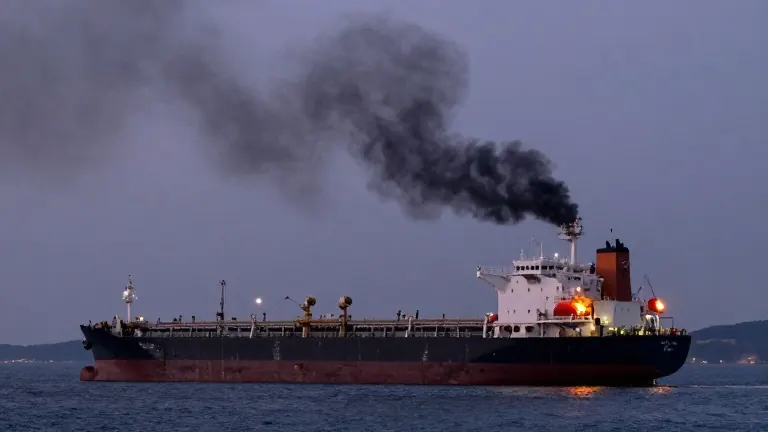
Evon Waska, who lives on the banks of the Kuskokwim River, says his drying racks are empty this year. Government agencies have closed the river to local fishing to conserve fish, but Waska argues that industrial trawlers operating miles offshore remain open. He describes the vessels as towing sock-shaped nets a quarter mile long with openings as wide as a football field. These nets catch pollock for products like imitation crab, but they also trap king salmon and other species in a process known as bycatch.
Republican Senator Dan Sullivan, an incumbent allied with the pollock industry, is touting a new bill as the most comprehensive bycatch legislation ever introduced. He claims the measure will reduce waste and protect seafloor habitat. His Democratic challenger, Mary Peltola, an Indigenous resident of the Kuskokwim, proposes banning the largest factory trawlers. She criticizes Sullivan for accepting more than $300,000 from trawlers and releasing a weak solution late in the election cycle.
Industry representatives defend the current practices. Heather Mann, who leads a trawlers association, states that science shows eliminating pollock fishing would have a minimal impact on restoring salmon runs. Trawlers report catching 40,000 Alaska salmon so far this year, a small fraction of their total pollock harvest. However, in the village of Kwethluk, the loss is felt deeply as subsistence fishing remains the main occupation.
Tribal president Mary Nikolai points to unused cold smokehouses in her community, describing the trend as a slow closure of the local workforce. She hopes the close Senate race will draw national attention to the threat facing these remote villages. The race is expected to determine the balance of power in the U.S. Senate.
Political ads in Alaska feature the conflict prominently. Supporters of Sullivan urge voters to thank him for championing fisheries legislation. Opponents accuse him of taking big money from out-of-state corporate trawlers. Peltola's campaign counters that Sullivan is using the issue to gain votes.
Source: WUSF Public Media