FIU Research: Eyewitness Memory Gaps Compromise Criminal Lineups
Stephen Charman’s study indicates that witnesses often misremember procedural details, creating a risk for inaccurate identifications in court.
By Petra Garnier ·
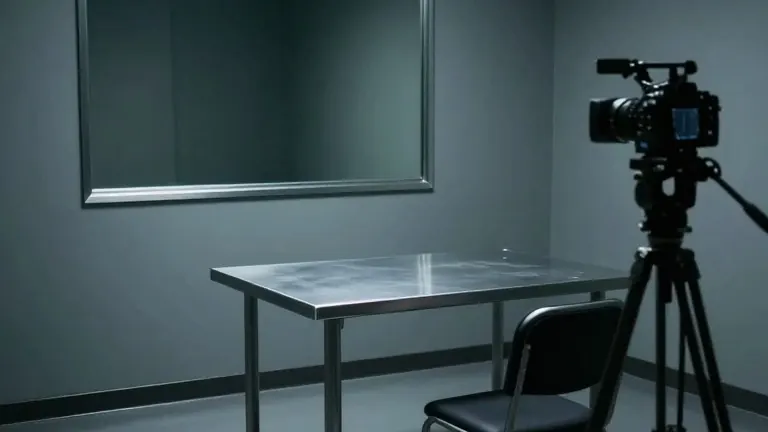
Eyewitness testimony remains a central pillar of criminal trials, yet new findings from Florida International University suggest the memory behind such testimony is less reliable than the legal system assumes.
The justice system has relied on witness identification for decades. However, the gap between what a witness perceives and what they later report has become a focal point for academic scrutiny. The core issue is not necessarily dishonesty. A witness can be fully sincere and still provide a version of events that diverges from reality.
The research focuses on the specific moments surrounding a suspect lineup. Witnesses receive instructions before viewing a lineup and often receive feedback afterward. These procedural details are critical for defense attorneys who need to verify if the process was conducted correctly. If the procedure was flawed, it provides a potential explanation for why a specific defendant was identified. Conversely, if a witness falsely believes a procedural error occurred, a valid identification may be challenged.
Stephen Charman, a psychologist at FIU, found that witnesses retain feedback about their performance better than they retain the initial instructions or the events immediately following the lineup. This asymmetry creates a vulnerability. As time passes between the identification and the trial, details fade. When witnesses are questioned later, they may fill in missing gaps with inferences or general expectations rather than specific recollections.
The study highlights how the method of questioning impacts memory. Leading questions, which suggest a particular answer, can alter a witness’s report. This effect is strongest when the original memory is weak. Once misinformation is integrated into a memory trace, it becomes difficult to distinguish from genuine recollection. Witnesses often perceive these blended memories as accurate, unaware that external factors have shaped their recollection.
To address this, the research recommends video recording all identification procedures. A video record provides an objective account of what occurred, reducing the dependence on fallible human memory. Without such a record, courts must rely on witnesses who may be reconstructing events from a mixture of experience, inference, and post-event information.
Charman notes that the goal is not to dismiss eyewitnesses but to preserve the accuracy of the record. By capturing the procedure as it happens, the legal system can prevent memory from altering the facts before they reach a jury.
Source: FIU News