Czech TV Fee: State Budget Takes Over 205-Crown Cost
Coalition lawmakers voted to end household payments for public broadcasting, a move critics say risks state control over the airwaves.
By Petra Garnier ·
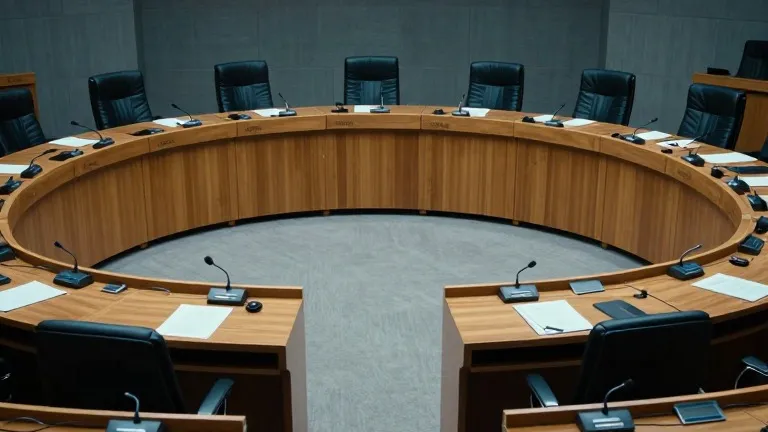
The governing coalition in the Czech Republic pushed through a plan to change how public media is funded, despite warnings that the shift could compromise editorial independence. Lawmakers held a rare session that stretched into the early hours of Saturday, October 24. They voted to send the bill to committees for further review.
The core of the proposal eliminates the 205 crown household broadcasting fee. This charge equals approximately $9.45. Under the new structure, the state budget will absorb this cost. The measure also cuts funding for Czech Television and Czech Radio by roughly 15 percent. Nominal funding levels will remain static for several years following the initial reduction.
Prime Minister Andrej Babis leads the three-party government, which includes the far-right SPD party. Babis is a billionaire and populist who pledged to abolish the fee before taking office last December. He told voters his government was honoring that promise. The coalition has frequently criticized both public and private media outlets for their coverage of government policies, accusing some of bias.
Babis defended the new model on social media late Friday. He argued the change is fairer to lower-income households and will force broadcasters to operate more efficiently. In a Facebook post, he rejected claims that the move threatens press freedom. He wrote, "There is no war for independent media." He added, "There is no fight for democracy and no nationalisation of media is being prepared."
Opponents remain skeptical. Opposition parties compared the reforms to changes made under former Hungarian Prime Minister Viktor Orban. Employees at the public broadcasters have also expressed alarm. They staged a strike in June, arguing that linking funding to the state budget exposes them to government pressure.
Public media hold a strong position in Czech society. They rank among the most trusted news sources in the country. Czech Television is the most-watched broadcaster across several age groups. The shift in funding therefore carries weight for how millions of Czechs receive their daily news.
Protests are already scheduled. A civic group called for a public demonstration on Sunday. Journalists and other employees at the broadcasters announced a strike for November 3.
Source: Al Jazeera
More Politics · World news · Report a business · Got a Story?