33 million Brazilians abstained in first round as Osasco's factories closed
In the city nicknamed São Paulo's Silicon Valley, a shift from metalworking to mall-based service jobs drove voters away from Lula and toward Flávio Bolsonaro.
By Olivia Grant ·
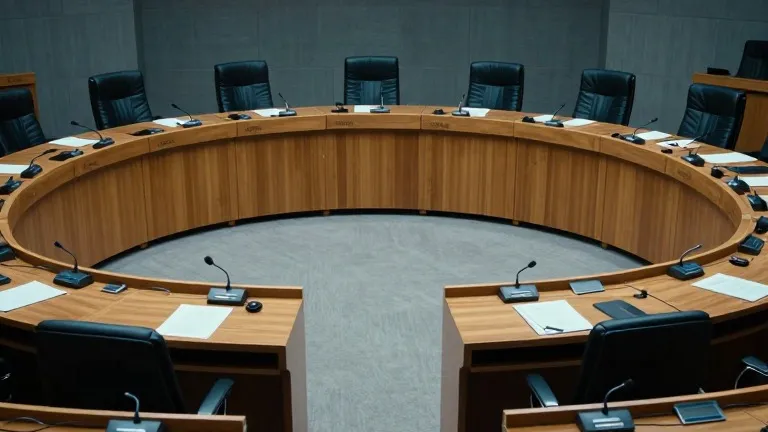
Thirty-three million people did not vote in Brazil's first round of presidential elections, the highest abstention rate since 1998. This number reflects a deepening disconnect between voters and the ballot box just days before the final decision on Sunday.
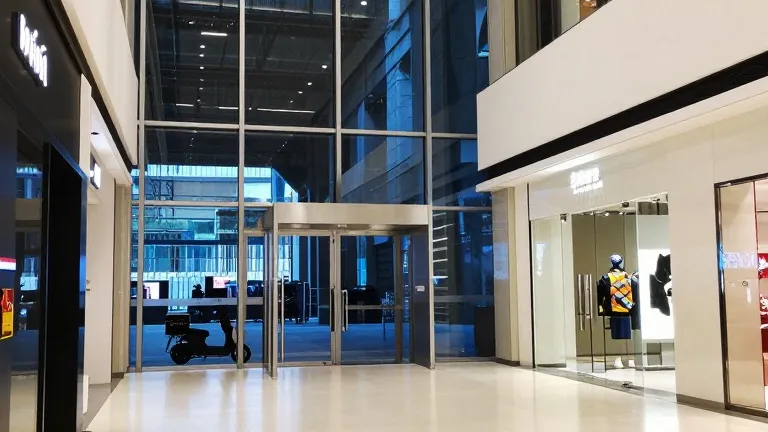
The apathy is most visible in Osasco, a municipality in the São Paulo region that once defined Brazil's industrial era. The city is now known as the local "Silicon Valley." Closed metal, chemical, and textile factories have given way to five new shopping malls and delivery app headquarters. Gilberto Almazan, who leads the local metalworkers' union, noted the physical transformation. "Metal, chemical, textile factories disappeared. And five malls were built," he said. He described the traditional union movement that supported the last president as stuck in the "Middle Ages."
Osasco voted for President Luiz Inácio Lula da Silva in 2022. In the first round this month, the city's vote shifted to right-wing candidate Flávio Bolsonaro. This local flip mirrors a national trend where the working class is moving from factory floors to service roles. Many residents now work as drivers, food couriers, or small traders. Almazan calls this shift "Uber-isation." He argues that these workers prioritize flexibility in their hours over the collective welfare models previously championed by Lula.
Richard Lapper, who has written biographies of both candidates, explained that Brazil industrialized late and deindustrialized early, making the economic shift more painful. He described Lula as a "victim of his own success." While unemployment has hit a record low and the country was removed from the UN's Hunger Map, Lapper points to a crisis of expectations. Citizens are better off in some metrics but feel the strain of higher prices, household debt, and high interest rates. Robson, a 53-year-old civil servant who grew up as a Lula supporter, blamed the government's "mismanagement" for the heavy tax burden.
Tairine, a hot dog seller who previously abstained, plans to vote for Bolsonaro. She stated that nothing has changed since Lula returned to office. Lawyer Gisele Bonfim, a 2022 Lula voter, said Bolsonaro brings "the hope of change." Flávio Bolsonaro has proposed cutting government spending and ministries while keeping some of Lula's flagship welfare programs. He denies recent corruption accusations. In the first round, he won nationally. Every first-round winner since 1989 has gone on to become president.
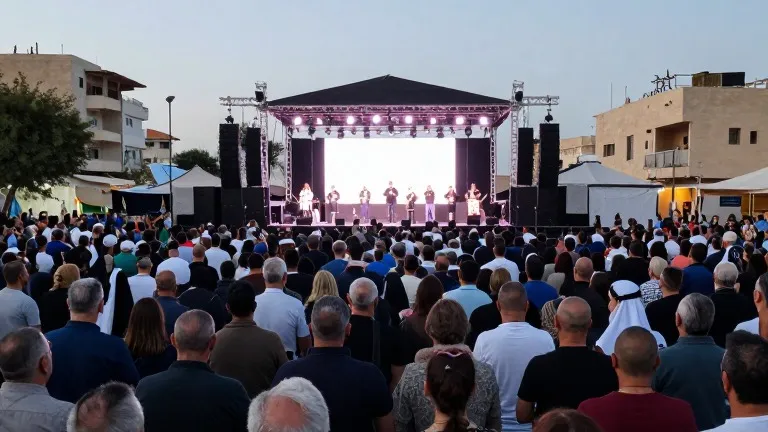
Lula's campaign is responding with large street rallies. The party claimed that a recent event in São Paulo drew about one million people. Aerial footage of the crowd has spread widely online. Lula, 80, has also used social media to address questions about his age. He called himself the "king of selfies." Among the poorest voters, his record still matters. In the Maré favela in Rio, Lula won despite high abstention. Vitoria, an 18-year-old mother earning under £300 a month, praised the minimum wage increase and free essential medicines. She remains skeptical of Bolsonaro's plan to designate the Comando Vermelho gang as a terrorist organization, fearing police raids like last year's in Rio that killed more than 130 people.
Evangelical churches are increasingly filling the gap left by state services. About a quarter of Brazilians now attend these churches. They provide childcare, employment advice, and food. Pastor Silas Malafaia, who is being investigated for allegedly obstructing the coup trial of Jair Bolsonaro, said Flávio Bolsonaro shares the church's values on family and opposition to abortion. Malafaia calls the probe politically motivated. In Osasco, the vote has already moved. The final decision arrives on Sunday.
Source: BBC News
More Politics · World news · Report a business · Got a Story?