French Students Demand Infrastructure Fixes as Police Detain 11,000
The government has deployed 70,000 officers and cited a 20 percent drop in per-student spending since 2017 as the core of the student grievances.
By Petra Garnier ·
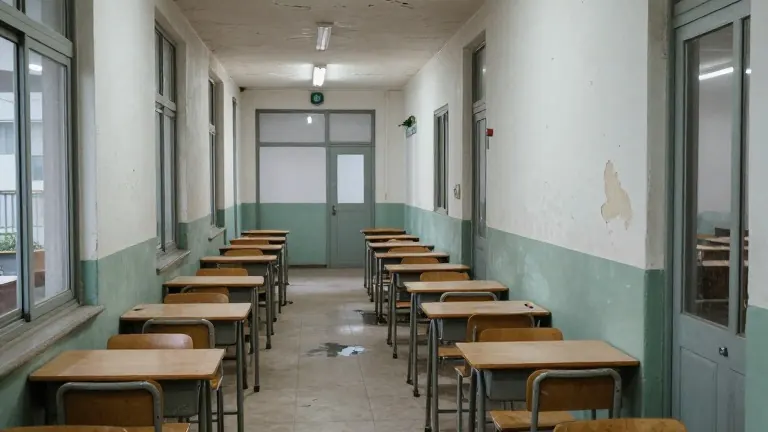
Student protests in France have drawn a massive police presence and a sharp rise in detentions.
The movement began in late September when students started mobilizing across the country. By August 31, parents and staff in Acoua on the island of Mayotte had already blockaded the Cite du Nord secondary school. That site was built for 900 pupils but houses 2,300 students in cramped rooms with poor ventilation and water supply failures. Similar complaints emerged in Paris suburbs like Sevran and Pantin, where students reported mold, broken toilets, and windows that would not open during heatwaves. In late September, staff at Politzer secondary school in Bagnolet learned the water was unsafe to drink.
The scale of the police response has grown steadily. By October 14, authorities had placed 7,950 people in custody since the protests began. Eighty-five percent of those individuals were minors. Police detained another 2,700 people following the October 17 demonstrations. On October 25, officers made 1,000 additional arrests. This brings the total number of people detained during this cycle to approximately 11,650. President Emmanuel Macron has ordered the deployment of 70,000 police officers to manage the situation. He has also pledged to ban future protests and accused the far left of trying to bring down the republic.
The government has framed the unrest through images of smashed windows and fires. Prime Minister Sebastien Lecornu asked the left to choose a side, aligning with the police or the rioters. This narrative contrasts with the specific injuries reported by students. Fourteen-year-old Eden suffered a fractured jaw and lost teeth to a tear gas grenade. Sixteen-year-old Mael lost sight in one eye from a suspected rubber bullet hit. Fifteen-year-old Evan lost a hand to a stun grenade.
Economic data cited by the protesters shows a 9.8 million people living under the official poverty line. This is the highest poverty rate since the 1990s. Oxfam reports that 53 billionaires hold wealth equal to nearly half the French population. Economist Lucas Chancel noted that government spending per student has fallen by 20 percent since 2017. The education ministry reported that 20.2 million teaching hours were lost in state secondary schools in 2024 and 2025. Fifteen million of those hours were missed because absent teachers were not replaced.
President Macron met with 20 students on Friday. He promised to reform the university entrance platform but did not address the students' primary demands regarding school conditions. The government continues to deploy officers to maintain public order while the infrastructure issues persist.
The next major step in this process is the continued implementation of the police deployment strategy. The government plans to keep the 70,000 officers on the streets. It also intends to move forward with the ban on protests. Student groups have announced they will continue to hold demonstrations until their demands for better learning conditions are met. The specific dates for the next round of nationwide marches have been coordinated by student unions for early November.
Source: Al Jazeera