OPI and Essie command opposite ends of the pink polish price spectrum
Drugstore options start under $5 while premium formulas with specialized ingredients reach $30, creating a six-fold cost difference for consumers.
By Giovanni Serrano ·
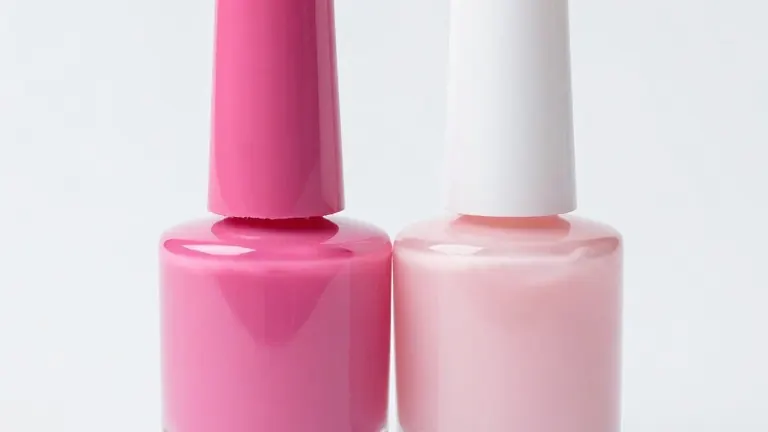
OPI Nature Strong Natural Origin Nail Lacquer in Big Bloom Energy and Essie Pink Nail Polish in Free to Roam represent the two extremes of the current pink nail polish market. The price gap between these two leading products is $25, a difference that reflects the broader split between mass-market and premium segments in the personal care industry.
The market for pink nail lacquers spans a wide price range. A decent drugstore option is available for under $5. At the other end, premium brands charge between $20 and $30. These higher-tier products typically feature special fortifying ingredients or vegan formulations. The six-fold price difference forces buyers to weigh cost against specific product attributes.
OPI positions its Big Bloom Energy shade as a classic, all-purpose option. The formula uses plant-based ingredients that are described as easy on nails. It holds a high amount of pigment, producing a bright, clean look. The polish dries quickly and is recommended for summer or for bringing a summer vibe to other seasons. However, the lack of stronger chemical ingredients means it does not last as long as conventional formulations.
Essie’s Free to Roam is categorized as the top value pick. It is a glossy, high-energy pastel pink that suits most skin tones. This option offers full coverage and resists chipping. Buyers seeking a completely solid color may need to apply a third coat. The product offers long-lasting performance at a lower price point than its premium counterparts.
Consumer choice depends on the occasion and the desired finish. Light, pastel varieties are suitable for special occasions or professional settings. Brighter pinks are better for evening or summer looks. Pinks are also a component of the classic French manicure, where a sheer consistency allows white tips to show through. For a modern look, a mattifying top coat can be applied over solid colors.
The specific shade matters for skin tone compatibility. Cool skin tones suit pinks with blue undertones. Warm skin tones look best with pinks that have peachy, red, or orange undertones. Dark pinks make a stronger statement but are harder to match to other items in an outfit. Light pinks, which often fall into the nude family, blend with various clothing choices.
Durability is a key factor in the purchasing decision. A clear top coat is recommended for all colors but is particularly useful for lighter pinks. Normal bending of nails can cause tiny cracks. Over a few days, these cracks can take on a gray tone. They eventually lead to chipping and make the manicure look tired. Reapplying a top coat every few days helps prevent this issue.
Buyers can also look for formulas with strengthening ingredients like collagen. These products serve a dual purpose by coloring the nail and fortifying it. The market also offers shimmer and solid finishes. Shimmery pinks add whimsy to a look. Gold or silver shimmer is a common choice for nail art designs on pink bases.
Pink remains a versatile color for most skin tones. It is considered acceptable for work and job interviews, particularly in pale, pastel shades. The range of options includes cool pastels to warm tones and bright blue-infused pinks to hot reds. The $25 price gap between OPI and Essie highlights the trade-offs available to consumers in this market segment.
Source: The Aegis
More Business · Business Complaints · Report a business · Got a Story?