Libyan Parliament Approves Sea Deal With Turkey
A new maritime corridor with Turkey has been ratified, setting up a direct clash with Greece over control of the eastern Mediterranean.
By Giovanni Serrano ·
The eastern Mediterranean has long been a place where national interests collide. On Tuesday, Libya's parliament voted unanimously to approve a maritime agreement with Turkey. This move creates a direct economic link between the two nations. It is expected to raise tensions in the region. The decision specifically targets Greece's interests in the area.
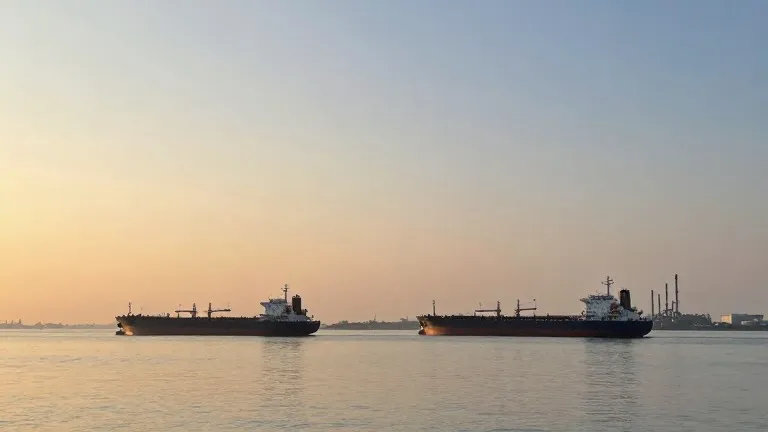
The core of the deal is a new maritime corridor. It connects the southern coast of Turkey to the northern coast of Libya. Recent surveys have found large deposits of oil and gas in this zone. Estimates suggest the natural gas reserves could be worth hundreds of billions of dollars. Both Ankara and Tripoli want to secure their rights to these resources. They plan to exploit the wealth jointly.
This is not a new idea for Turkey. It first agreed to this corridor in 2019. That deal was signed with the western government in Tripoli. The rival government in the east opposed it at the time. However, the political landscape has changed. The eastern parliament has now reversed its stance. Turkey's Foreign Ministry welcomed the recent vote with approval.
Greece has a strong objection to the plan. The new corridor runs near several Greek islands, including Crete, Karpathos, and Rhodes. Athens claims a full exclusive economic zone around these islands. The Greek Foreign Ministry stated on X that it firmly rejects the accord. It noted that the European Union backs this position. Brussels called the agreement null and void because it violates the rights of other countries.
Kaja Kallas, the EU's top diplomat, echoed this sentiment. She wrote on X that the Libyan vote infringes on the sovereign rights of third states. The legal argument centers on how to divide the sea. Greece relies on the UN Convention on the Law of the Sea. Article 121 of that treaty gives inhabited islands full economic rights. Athens argues this covers its major islands. It also points to a 2022 court ruling that requires fair demarcation of boundaries.
Turkey takes a different view. It argues that the geography of the Mediterranean deserves special consideration. Ankara believes that if every small Greek island had a full zone, Turkey would be cut off from the open sea. Turkey has never signed the UN convention. Therefore, it does not accept arbitration by UN tribunals. Even legal experts disagree on what a fair division would look like in this specific area.
Libyan politics have shifted since 2019. Civil war was raging at that time, and Turkey intervened militarily. It supported the government in Tripoli against the forces of General Khalifa Hifter in the east. Since then, Turkey has built a closer relationship with Hifter's camp. Turkish firms have won billions of dollars in reconstruction contracts. The state oil company is also working on seismic surveys off the Libyan coast. Turkey supplies weapons and training to eastern forces, helping them push back against Egyptian and Russian influence.
The deal also impacts energy infrastructure. It threatens the planned EastMed pipeline. That project was meant to carry gas from Israel and Cyprus through Greece to the EU. The new corridor cuts across the pipeline's route. Turkey argues it must consent to any cable or pipeline on its claimed shelf. In the long term, the region may split into two groups. One would be a Turkey-Libya axis. The other would be an EU-supported group including Greece, Cyprus, Egypt, and Israel.
Source: Deutsche Welle