120 attacks on shipping push Turkey to accelerate renewable energy plans
Ankara is pushing battery storage and carbon trading measures ahead of the November climate summit in Antalya.
By Petra Garnier ·
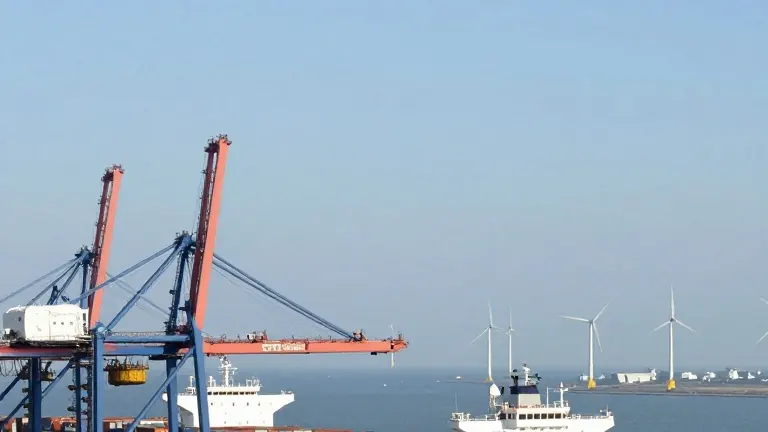
Global energy security is under pressure as commercial shipping routes face heightened risks, prompting Turkey to fast-track its green energy infrastructure before hosting the United Nations climate summit next month.
The Washington Institute for Near East Policy reported 28 confirmed attacks in October. That month became the worst on record for commercial shipping in the Strait of Hormuz. The institute counted 113 attacks since the US-Israeli war with Iran began on 28 February.
The International Maritime Organisation logged 120 incidents in the Strait of Hormuz and surrounding Middle East waterways in October. These disruptions affect approximately 20,000 seafarers, port workers, and offshore staff. The strait is a critical route for oil and liquefied natural gas, making its stability vital for energy-importing economies.
Ankara is responding by expanding renewable electricity supply and creating a local carbon trading system. The government aims to help industries prepare for these changes ahead of Cop31. The summit will run from 9 to 20 November in Antalya and will convene governments, businesses, and civil society to discuss climate action.
Taha Meli Arvas, chief executive of Energy Exchange Istanbul, said the next major step is improving electricity storage. He stated that the goal is to use battery storage to help renewable energy become baseload. Energy Exchange Istanbul reported that Turkey’s installed electricity capacity reached 127.3 gigawatts as of 10 October. Renewable sources account for about 62 percent of that total.
Turkey is piloting a national emissions trading system in 2026 and 2027. Companies must report emissions in 2026, while the price mechanism takes effect in 2027. Mustafa Aydin, deputy general director for environmental and minerals markets, noted that participating industries could use system revenues to support transition investments. The system is also being developed to help exporters meet the European Union’s Carbon Border Adjustment Mechanism requirements.
Maritime operations are also shifting toward cleaner technology. Navtek naval technologies in Tuzla builds ZeeTug zero-emissions, battery-powered harbour tugboats. The company reports that four vessels are currently operational. The Zero Waste Foundation is proposing an Istanbul platform to link zero-waste projects with financing. This initiative aims to track commitments made around Cop31 and support coastal ecosystem protection in areas like Fethiye-Gocek.
Source: Middle East Eye
More Business · Business Complaints · Report a business · Got a Story?