Retailers Report Sharpest Price Rise Since 2024
The British Retail Consortium reports shop prices rose 2.1% year on year in October as energy and food costs climbed.
By Giovanni Serrano ·
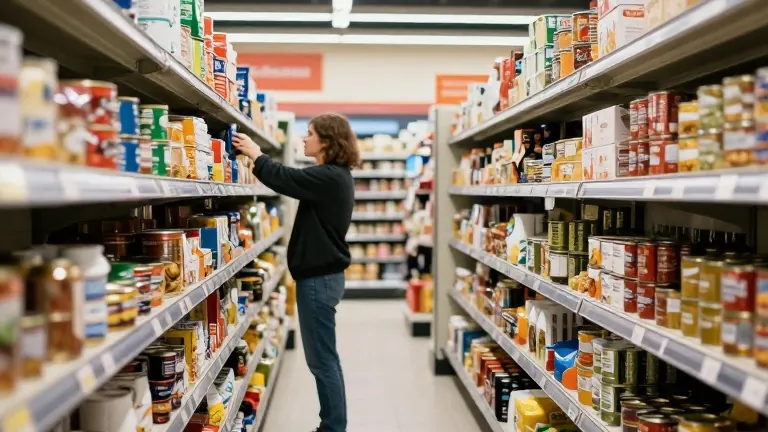
British retailers raised prices in October at their fastest pace since 2024, according to data published Tuesday by the British Retail Consortium, a trade body for the sector. The trade group reported shop price inflation at 2.1% year on year, up from 1.4% in September, and said food prices are now rising at 2.9%. Non-food prices, which include clothing and footwear, doubled to 1.7% from 0.8% in September.
The BRC attributed the shift to energy and food ingredient costs that rose after the Middle East conflict began. Brent crude reached $117 a barrel in recent days, compared with a $70 average in the months before the United States and Israel attacked Iran in February. Gas prices have also climbed, pushing the UK consumer prices index to 3.5% last month. The BRC said retailers absorbed raw material costs for most of this year as consumer demand stayed weak.
Retailers began passing costs to customers this month. Helen Dickinson, the BRC's chief executive, said: "The dam is starting to break on the huge wave of costs retailers have absorbed over the last two years." Dickinson said discounting ahead of Halloween drew shoppers into stores, but supermarkets could no longer hold down prices on tinned and packaged goods.
The report lands days before Chancellor John Healey delivers his first budget on Wednesday. Bank of England officials are scheduled to meet next week, where they are expected to raise the base rate from 3.75% to 4%. If retail price increases hold, the central bank may lift rates again in December or early 2027.
Cost pressures on households are the subject of a separate report by Ruth Patrick, a professor of social and public policy at the University of Glasgow. Patrick leads Changing Realities, a project that follows 100 low-income families. Her study found petrol prices above £1.75 a litre in many places and diesel often above £2 a litre, a level she said can make work unaffordable for drivers.
In the last month, 73% of project participants shopped the reduced-items aisle, 62% changed the food they buy, and 63% left the heating off even when cold. Patrick interviewed 70 people in depth; 67 described steps they took to cut spending. Rosie L, who lives in rural Scotland and has disabled children, said: "It's getting to a point where I don't know how we are going to keep managing to run our car." She said public transport in her area is neither accessible nor reliable, and that losing the car would affect every part of her family's life.
Patrick said government and local authority help so far does not match the scale of the problem. She said the budget is an opportunity to deliver on Andy Burnham's pledge to be a "cost of living government," and pointed to restoring the real value of child benefit as one step.
Healey faces pressure from his own backbenchers, who say the high cost of living is hurting their constituents ahead of Wednesday's budget.
Source: The Guardian