Taiz Water Prices Rise 75 Percent as Blockade Cuts Supply
Houthi siege forces residents of Yemen's third-largest city to ration drinking water and buy essentials on credit.
By Olivia Grant ·
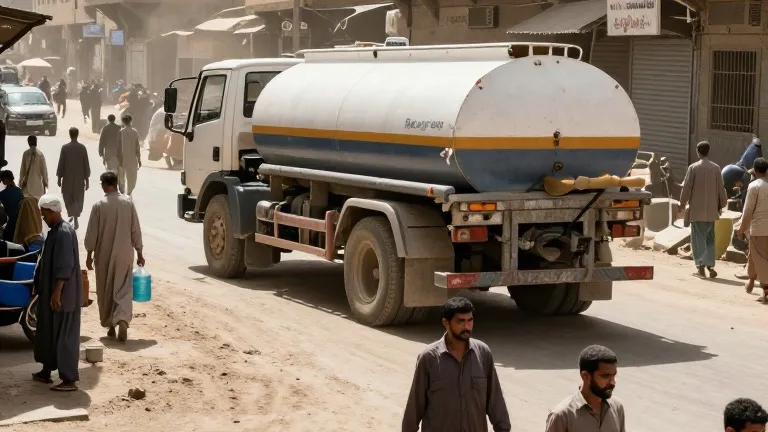
Water delivery costs in Taiz have increased by 75 percent in recent weeks due to a tightening Houthi blockade.
Yemen descended into civil war in 2014 when Houthi rebels seized Sanaa and displaced the recognized government. Taiz became a key battleground, and its water infrastructure has suffered from aging pipes, population growth, and drought. Residents relied on water trucks for reliable supply until the current siege disrupted access to wells and fuel sources.
The conflict intensified in August as the Houthis advanced in the Iran war. They captured Mokha, a port 130 kilometers away, which controls Red Sea shipping lanes. This move allowed the rebels to secure roads surrounding Taiz. The blockade now restricts entry for water trucks and limits fuel for desalination plants, pushing utility capacity below normal levels. Truckers who continue the dangerous route have raised their rates up to three times. The city has also absorbed an estimated 124,000 displaced people since August, straining local resources.
Households now stretch 10 liters of bottled water over four days instead of using it daily. Hadil al-Shahid, who owns a hair salon, said her family stopped drinking coffee and tea to conserve supplies. Some residents purchase water on credit because of the price hike. Food prices have also risen, with flour and rice costing 50 percent more than in summer. Cooking gas prices have more than quadrupled, leading families to burn wood or cardboard for heat.
Aid groups warn that the crisis extends beyond water. Amnesty International urged the Houthis to open roads immediately, citing a risk of severe humanitarian disaster. Jens Laerke of the UN emergency aid division noted that displaced families often live in tents on one meal a day. Hani Bafaqih of CARE reported that fuel shortages have halted waste collection and hampered community kitchens. The government still controls the city center but faces resistance in the surrounding hills. Three Houthi officials claimed the group controls 80 percent of the countryside and several city neighborhoods, a statement the Associated Press could not verify. Foreign Minister Afrah al-Zouba acknowledged the rebels' growing control. Two teenage girls died in a missile strike on a residential area earlier this week.
The next phase of the siege remains uncertain, but the blockade continues to tighten around Taiz.
Source: NPR