Wales sees rise in anti-Jewish crimes despite small population
Police data reveals a 42 percent jump in recorded offenses in one region, prompting a new meeting between Jewish leaders and local government officials.
By Petra Garnier ·
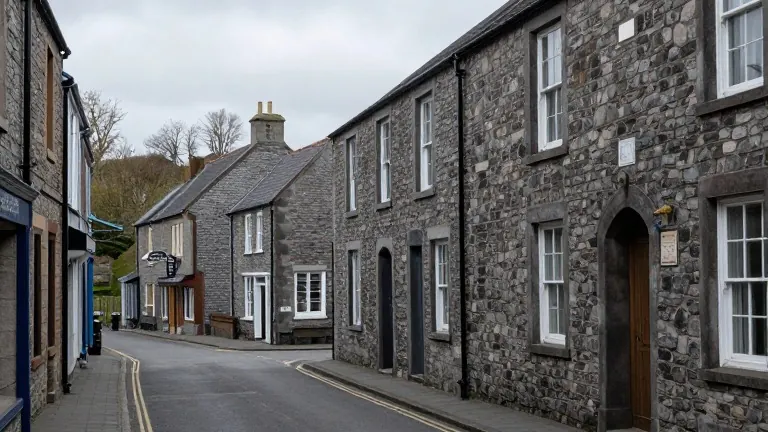
Dyfed-Powys Police recorded 17 crimes classified as anti-Jewish in 2025, up from 12 in 2024. This Freedom of Information disclosure shows a 42 percent increase in offenses within that specific policing area.
The number of Jews in Wales remains small. The 2021 UK Census counted 2,044 people in the country who identified as Jewish by religion. That figure represents approximately 0.07 percent of Wales's total population of 3.1 million. Most residents live in Cardiff, where two synagogues operate. A Chabad synagogue also serves Llandudno.
Reporting on antisemitism in Wales often gets lost in wider UK statistics. Those national figures rarely break down data by country. Welsh policing figures for the year ending March 2026 show 6,157 hate crimes recorded nationwide. Of those, 325 had a religious motivation. However, the data does not specify which religion was targeted in each case.
Separate records from the UK's Community Security Trust provide another view. The organization logged 25 antisemitic incidents geographically associated with Wales during calendar year 2025. Thirteen of those occurred in North Wales. Eight took place in South Wales. The remaining four were split between Dyfed-Powys and Gwent.
The disparity between police records and independent monitoring suggests on-the-ground figures may be higher than reported totals. The Welsh Local Government Association recently met with Jewish community representatives to discuss the issue. Community leaders described growing anxiety about antisemitism. They cited routine verbal abuse and concerns about children in schools. Some residents reported changing their behavior to avoid identifying as Jewish in public.
Professor Nathan Abrams of Bangor University has studied Welsh Jewry for twenty years. He recently published the book Jews in the Welsh Imagination. Abrams argues that the lack of a large Jewish population has not reduced hostility. He describes the phenomenon as ambient antisemitism. This includes demonstrations, torn posters, and stickers that create a hostile environment for Jews.
Abrams notes that much of this tension centers on the Israel-Palestine conflict. He points to Plaid Cymru, a left-leaning Welsh nationalist party, as a driver of local sentiment. The party leader called for harsh sanctions against the Israeli government in September 2025. Abrams says this creates an obsession with Israel among some locals. He observes that many well-meaning people cross the line into antisemitism by repeating age-old tropes.
The South Wales Jewish Representative Council stated that the community is resilient but shaken. They noted that the rise in antisemitism in recent years has left many people concerned. The council emphasized that the Welsh Jewish community is long-established and deeply rooted.
Source: The Jerusalem Post