
Wolves Invade Finnish Villages After Google Clears Forest for AI Hubs
Displaced wildlife is entering residential areas in the Muhos region following unauthorized land clearing by the tech giant.
By Petra Garnier ·
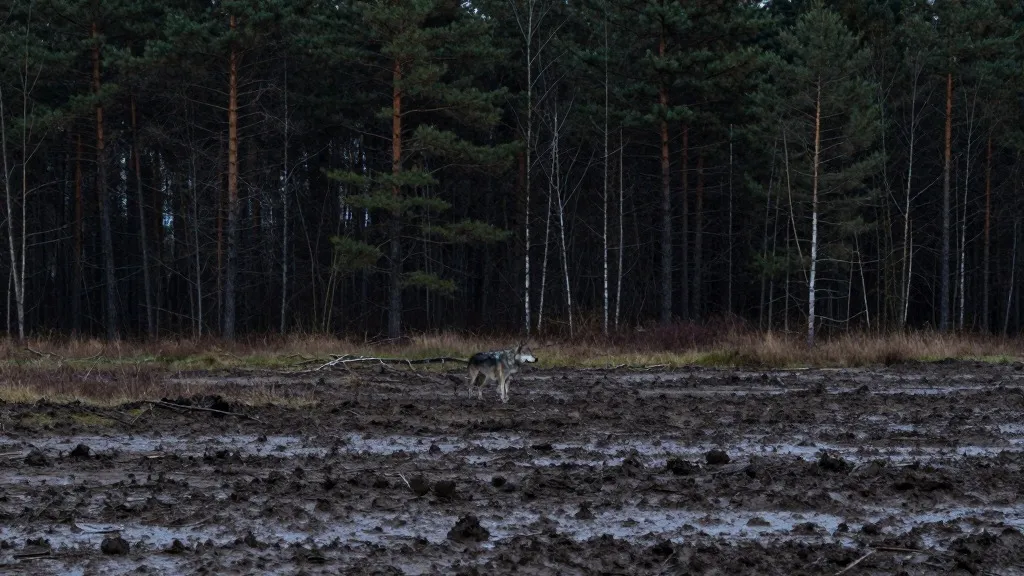
Finnish forestry regulations have long been considered some of the strictest in Europe, yet recent events near the Muhos region suggest that the push for artificial intelligence infrastructure may be testing those limits. The central issue is no longer just about the trees themselves, but about what happens when the habitat they provide is abruptly removed.
Google’s country manager for Finland has issued an apology for unauthorized clearings that have transformed approximately 816 acres of forest into a muddy expanse. The company has been ordered to halt work on another roughly 500 acres of cleared land located 55 miles southeast of the village of Otanmäki. This regulatory action follows a period of intense scrutiny regarding how the tech giant is building its new data centers in the country.
The most immediate consequence of the deforestation is the displacement of local wildlife. Reports indicate that wolf packs, which previously inhabited these specific forests, are now roaming into neighboring villages. This shift in animal behavior has turned a distant environmental dispute into a tangible local safety concern for residents who have lived in the area for generations.
Anni Ranta, a 53-year-old resident of Otanmäki whose family has lived there for centuries, described the situation to The Guardian. She noted, “We had wolves coming into the village because all the wild animals moved out of the forest.” Ranta also expressed a broader geopolitical worry, suggesting that the presence of U.S.-owned data centers could make Finland a more attractive target for Russian aggression.
Local frustration extends beyond the appearance of wild animals. Residents have cited various other side effects of the rapid construction, including persistent factory noise, streams turning brown, and the displacement of rare bird species. These complaints mirror similar grievances raised by communities in the United States and other nations where AI developers have sought to expand their physical footprints.
The Finnish Association for Nature Conservation has characterized Google’s adherence to environmental policy as unprecedented in its flouting of rules. The country’s Licensing and Supervision Authority, known as LVV, has agreed with this assessment, issuing a formal order for Google to stop development activities near both Muhos and Otanmäki. This order follows earlier notices given to the company earlier this month regarding construction in Muhos and Kajaani.
Despite the regulatory halt, Google maintains a cooperative stance. A spokesperson stated that the company will fully comply with LVV’s requests and looks forward to maintaining an open dialogue with authorities. The company appears to be betting that the long-term business benefits of the data centers will eventually outweigh the current regulatory friction.
The situation raises open questions about the balance between technological expansion and ecological preservation. While Google promises to maintain an active partnership with local organizations, the immediate reality for residents is a landscape that has changed dramatically in a short period. The presence of wolves in residential areas serves as a stark reminder that the costs of rapid infrastructure development are often borne by the local community.
As the company works through the compliance process, the focus remains on how quickly the land can be stabilized and whether the displaced wildlife will find new territories or continue to encroach on human living spaces. The outcome will likely influence how other tech giants approach land acquisition for data centers in environmentally sensitive regions.
Source: Tom's Hardware · original report published
More Business · Business Complaints · Report a business · Got a Story?