10 Million: Tesla's New Long Term Target For Robot Output
Tesla is engineering its humanoid robot for mass production, aiming for a massive annual output while developing a unique internal training system.
By Petra Garnier ·
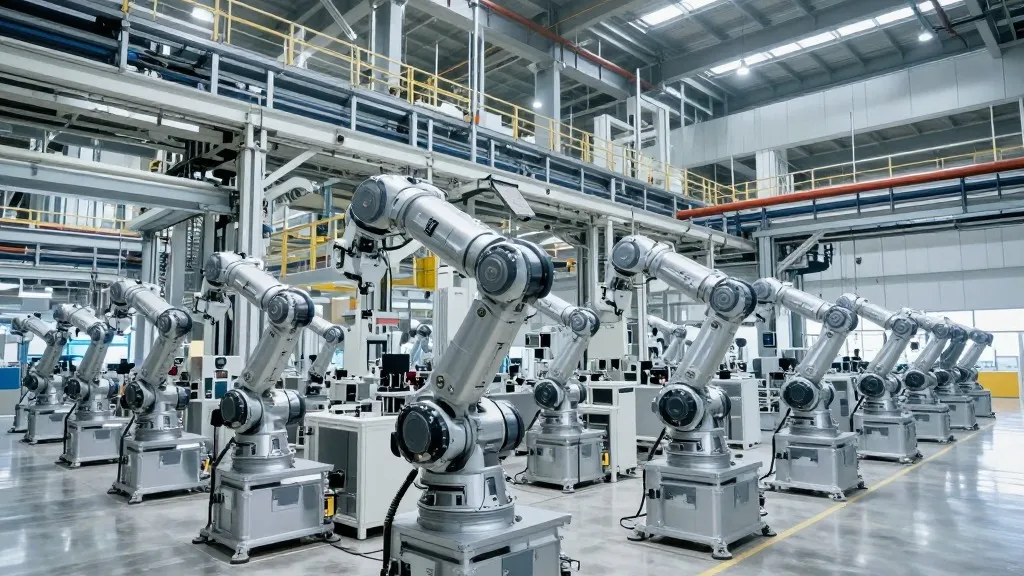
Tesla has set a long term annual output target of 10 million units for its Optimus robot program. This ambitious figure applies to the new manufacturing facility currently under construction at Giga Texas. The company is treating the robot as a high volume commodity, similar to its existing automotive products, rather than a niche technical prototype. This strategic positioning is driving significant changes in how the hardware is designed and produced.
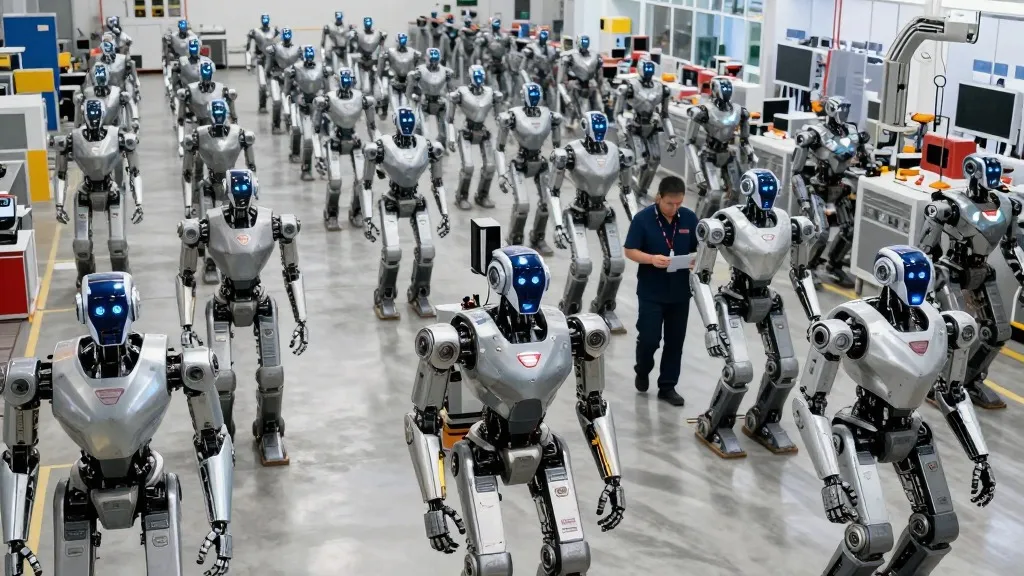
The initial production line is already operational inside the Fremont factory. Tesla has repurposed the space that previously manufactured the Model S and Model X. The company cleared that vehicle production line in just 46 days to make room for the new robotics equipment. Management stated that the current process has been proven suitable for commercial products. Most of the machinery needed to reach an annual capacity of one million units is already installed in the facility.
Company leadership expects output to rise toward approximately 20,000 robots per week as the line reaches full speed. Elon Musk described this growth trajectory as a classic S curve. He noted that the initial slope of the curve is shallow. The engineering team is currently refining the robot's artificial intelligence, electromechanical design, and reliability metrics. Tesla plans to begin delivering the units to outside companies by the end of next year. These early customers will deploy the robots for dangerous and repetitive tasks.
A central challenge for the project is the lack of a large existing fleet to generate training data. Unlike Tesla's cars, which send data from millions of vehicles, the robot fleet is just beginning to form. To address this gap, the company is establishing an internal program called the Optimus Academy. This system will utilize between 10,000 and 20,000 robots to practice various tasks. The data generated by these units will feed directly into the next version of the artificial intelligence model.
Hardware upgrades are also planned for the coming year. Tesla intends to integrate its AI5 chip into the Optimus platform. A new demonstration video is expected within one or two months. This footage will show the robot completing tasks driven by AI rather than preprogrammed motions. Executives have contrasted this approach with rival demos that rely on scripted routines, arguing that those methods will not hold up in real world conditions.
The supply chain is preparing for the increased demand. In September, Tesla certified Tuopu, Joyson, and Sanhua as mass production partners for key components. The robot's production costs are trending toward the manufacturing cost of the Cybercab. This suggests the design is engineered for volume from the start. The hands remain the most difficult part of the design to refine. Much of the current engineering effort is focused on solving the mechanical challenges associated with those components.
Drone footage has shown the steel frame of the new Giga Texas factory nearing completion. The facility will be significantly larger than the Fremont setup. It is designed to support the ultimate goal of producing 10 million robots annually. This expansion marks a major shift in Tesla's manufacturing footprint and highlights the company's commitment to scaling the humanoid robot program.
Source: Teslarati · original report published
More Business · Business Complaints · Report a business · Got a Story?