ASUS Priced $7,000 ProArt P16 for 128GB AI Workloads
The new laptop prioritizes local model processing over gaming, though reviewers warn the cost exceeds dedicated gaming hardware.
By Giovanni Serrano ·
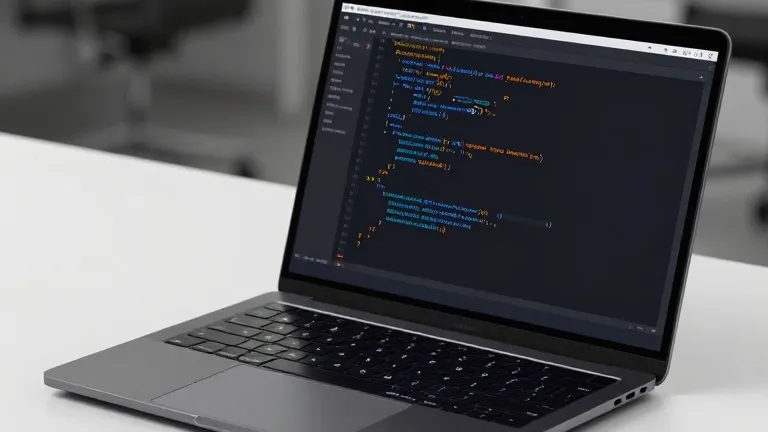
ASUS has set the price of its ProArt P16 at $7,000 for the configuration featuring 128GB of RAM, a figure that positions the device as a high-cost tool for specific AI tasks rather than a general-purpose replacement. The laptop utilizes NVIDIA's RTX Spark chip, a system-on-a-chip that integrates a 20-core Arm CPU and a Blackwell GPU. This architecture allows for unified memory similar to Apple's M-series designs, but the high price tag suggests a niche market focus.
The company introduced the platform as a departure from traditional Intel and AMD processors. Microsoft and NVIDIA promoted RTX Spark as a fundamental shift in personal computing. The hardware relies on Arm-based instructions, which creates a distinct ecosystem from the x86 standard. The design mirrors mobile phone chip architecture but scales it for desktop-class performance in a laptop chassis.
The device is scheduled for immediate availability to creators and researchers. The review unit tested by Engadget carried the maximum 128GB of memory. This capacity allows users to run large language models locally without cloud dependency. The specific test run included the Qwen3.8 27B model, which consumes 42GB of RAM. The system had sufficient memory remaining to handle other tasks simultaneously.
Performance benchmarks show mixed results compared to existing hardware. The P16 scored approximately 3,000 points lower than the ASUS A16 in PCMark 10 Applications. It also trailed slightly in single-threaded CPU testing. Graphics performance was stronger, with the P16 beating the MacBook Pro M5 Max by 4,700 points in GPU tests. In AI image generation, it outperformed the Apple device by 600 points.
Gaming performance is viable but comes with compatibility risks. The laptop achieved 70 frames per second in Control: Resonant at 1440p with ultra settings. Lowering the graphical demands raised the frame rate to 120 fps. Most games rely on Microsoft's Prism emulator for the Arm CPU, which can reduce performance and cause stability issues. Native Arm64 builds exist for titles like Fortnite and DOTA 2, but NVIDIA is still working with anti-cheat developers to ensure multiplayer compatibility.
The build features a sturdy aluminum chassis and a 16-inch OLED display with a brightness of 1,600 nits. At 3.9 pounds, it is lighter than the 4.7-pound Apple MacBook Pro 16. The port selection includes three USB-C connections, USB Type A, HDMI, and an SD card reader. The black finish attracts fingerprints, and the battery lasted 10 hours and 51 minutes in standard testing, which is shorter than the 15-plus hours seen in many premium laptops.
The base model starts at $2,800, but costs increase rapidly with added memory. For gamers, the ASUS Zephyrus G16 with an RTX 5070 costs $2,124 at Best Buy and offers a 240Hz screen. The P16 targets AI professionals who can justify the premium for local processing power. General users and gamers may need to wait for further optimization before adopting the platform.
Source: Engadget