Barrack Blames Druze Leader for Syrian Tensions
The US envoy claims a spiritual figure in Sweida uses perceived Israeli backing to target rivals and fund weapons through drug trades.
By Olivia Grant ·
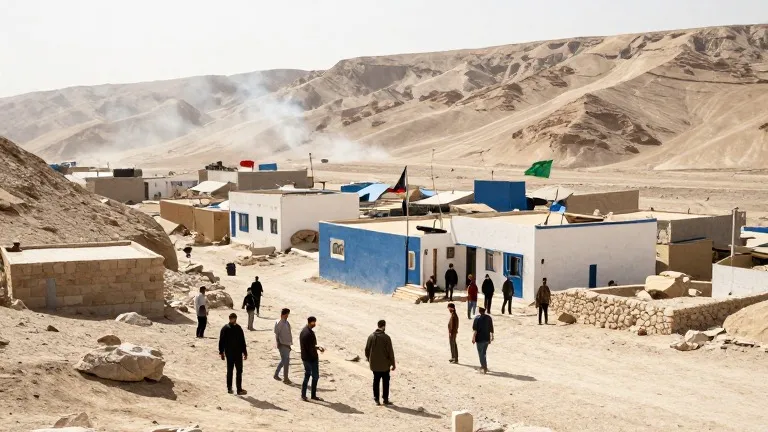
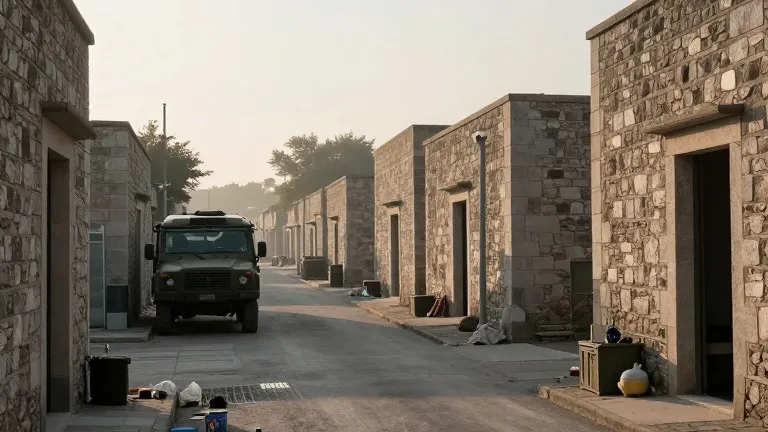
Tom Barrack, the US special envoy for Syria and ambassador to Turkey, criticized a prominent Druze spiritual leader in southern Syria for exploiting the perception of Israeli and American support. Speaking in an interview with Mario Nawfal published on X on Friday, Barrack alleged that this figure uses the image of backing from Tel Aviv and Washington to target other members of the Druze community. Although Barrack did not explicitly name the individual, his comments come during a period of rising tension surrounding Hikmat al-Hijri. Al-Hijri is a spiritual leader in Sweida who opposes the authority of Damascus and has advocated for full independence from the Syrian government.
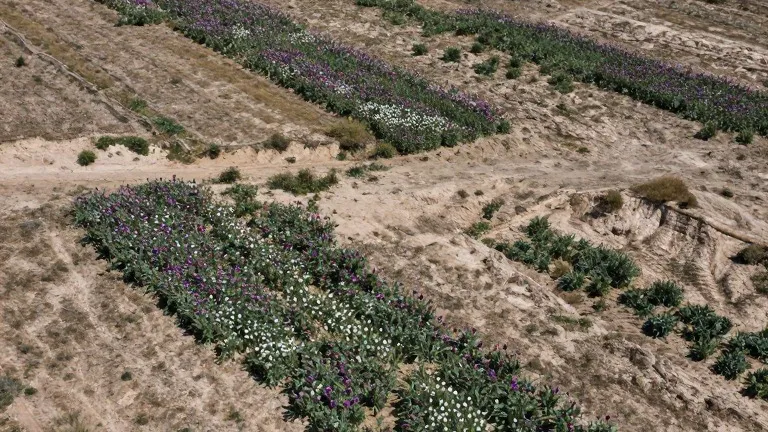
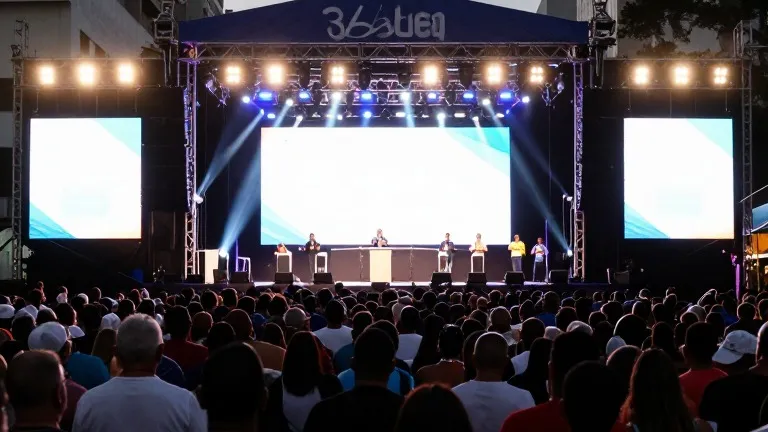
Barrack rejected claims that the sheikh has explicit support from Washington, calling such notions absolutely wrong. He pointed to a rally in Sweida earlier this month, where supporters of al-Hijri raised Israeli flags to mark the anniversary of the 7 October 2023 attacks. Barrack linked these political moves to local economics, suggesting that Druze armed factions in the province finance their weapons through the captagon trade. He described the route from Sweida to Daraa as a global hub for manufacturing and selling the illicit drug, comparing its production to the manufacture of methamphetamine.
The Bashan administration, which is affiliated with al-Hijri, responded with a statement expressing anger and condemnation. The group denied that Jabal Bashan is a center for captagon production. They argued that the community has historically fought on the front lines against smuggling networks and has paid a high personal cost, including the sacrifice of young men, in the struggle to eradicate illicit drugs.
Al-Hijri declared in May 2026 that the move toward self-determination for Jabal Bashan is irreversible. He emphasized the goal of establishing an independent administration distinct from the government in Damascus. Barrack noted that the relationship between Israel and the Druze extends beyond political interference, pointing to Druze communities in the Golan Heights that have fought alongside Israeli Defense Forces soldiers. Israel has framed its military interventions in southern Syria, including strikes against Syrian government forces in Sweida in July 2025, as efforts to protect the Druze.
Barrack observed that Syria has exercised restraint in response to Israeli incursions, warning that aggressive retaliation could trigger a wider conflict. He suggested that President Ahmed al-Sharaa has made it clear he does not desire a confrontation with Israel, though Israel remains wary of Syria's new leadership. The envoy noted that the two nations have held five rounds of border and boundary talks, a process that began in Paris in May 2024.
Barrack expressed confidence that the two sides will reach a final understanding, citing the ongoing process of building trust. He acknowledged that Israel remains cautious due to Sharaa's past as a fighter with the al-Nusra Front and the presence of foreign fighters in army divisions deployed near the border. The envoy believes the current trajectory of discussions is positive, despite the complex dynamics within the region.
Source: Middle East Eye