
Kushmaro Finds Pattern in 'Most Fateful' Election Claims
A review of recent Israeli campaigns shows that one in five have labeled their vote as the most decisive in history, a rhetorical trend that complicates the acceptance of electoral defeat.
By Olivia Grant ·
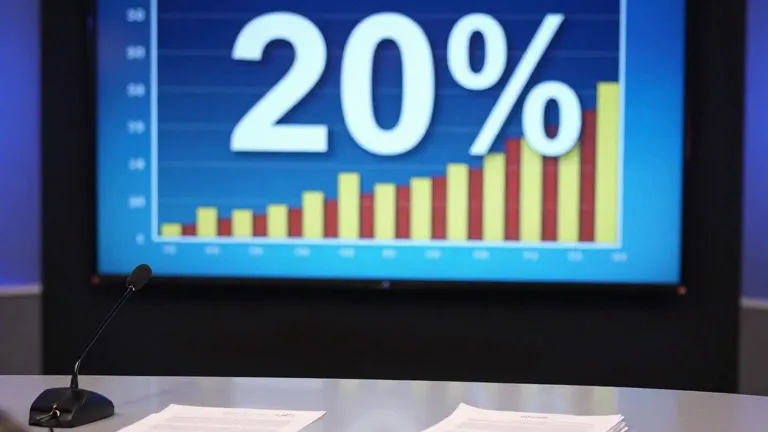
Danny Kushmaro opens his nightly election segment by declaring the upcoming vote the most fateful in Israeli history. He is not the only one using that language. The phrase has become a standard refrain among candidates, suggesting a recurring pattern in political rhetoric rather than a unique characteristic of the current contest. Kushmaro’s analysis challenges the assumption that this specific election carries a weight unlike any before it.
The trend is quantifiable. Kushmaro’s data indicates that 20% of recent campaigns have explicitly claimed their election was the most important or fateful. This frequency suggests that such hyperbole is a common tool in Israeli politics, not an isolated incident. The analyst argues that this recurring framing distorts the nature of political competition.
The stakes of this language extend beyond persuasion. By labeling a vote as existential, political battles become wars for survival. Defeat stops being a temporary setback and starts sounding like a national crisis. This framing makes it harder for the losing side to accept the outcome and transition power smoothly.
This dynamic has been visible since Naftali Bennett formed his government in 2021. Before that government was sworn in, Prime Minister Benjamin Netanyahu called its formation the greatest election fraud. He referenced broken promises rather than stolen ballots, yet the message cast a legitimate parliamentary majority as illegitimate. The opposition spent the following years working to bring that government down. In May 2022, Likud MK Miri Regev justified voting against laws that benefited soldiers and vulnerable groups because the primary goal was to topple the coalition.
The cycle reversed when Netanyahu won the 2022 election and formed a hard-right government. Yair Lapid conceded the result and managed an orderly handover. However, as opposition to the judicial overhaul grew, the language of illegitimacy returned. In April 2023, former Shin Bet director Yuval Diskin told a large crowd in Tel Aviv that the government, while legally elected, was morally illegitimate due to its composition and actions.
The current campaign follows this established trajectory. The question of who governs has become entangled with the question of whether the loser will grant the winner a fair chance. As the election approaches, the rhetoric continues to frame the outcome as a matter of national survival, echoing the patterns identified in previous cycles.
Kushmaro’s analysis highlights the cost of this framing. When every election is the most fateful, the ability to correct course after a loss diminishes. The data shows that this is a recurring feature of Israeli campaigns, with one in five making the specific claim of historic significance. The upcoming vote joins a long list of contests described in the same superlative terms.
Source: The Jerusalem Post
More Politics · World news · Report a business · Got a Story?