SpaceX rejects military deals as European rocket nears flight
The leading US launch provider turned down three contracts from the Space Force while a Spanish startup confirmed its first rocket is ready for final testing.
By Giovanni Serrano ·
The space industry saw a major shift in direction this week as SpaceX made a surprising move regarding its government clients.
In a development that caught many observers off guard, the company declined three launch contracts offered by the US Space Force. This decision marks a distinct departure from the typical high-volume contract strategy often associated with the sector's dominant players. The rejection highlights a specific preference for civil space operations or a strategic pause in military engagements. Meanwhile, on the technical front, a NASA safety panel issued a detailed assessment of the Starship program. They indicated that a lunar landing mission might require as many as 22 refueling operations in orbit. This number underscores the complex logistical challenges still facing deep space exploration missions in the near term.
The focus of these updates is heavily skewed toward SpaceX, which continues to dominate the news cycle. The company has been the center of attention for multiple significant announcements in recent days. The dual nature of this week's news cycle presents a clear contrast. On one side, there is the financial and contractual maneuvering of the world's largest launch provider. On the other, there is the meticulous engineering scrutiny required for its flagship rocket. The safety panel's findings on refueling requirements provide a concrete metric for the difficulty of landing cargo on the Moon. It suggests that even with advanced technology, the sheer volume of propellant needed for such missions remains a primary constraint.
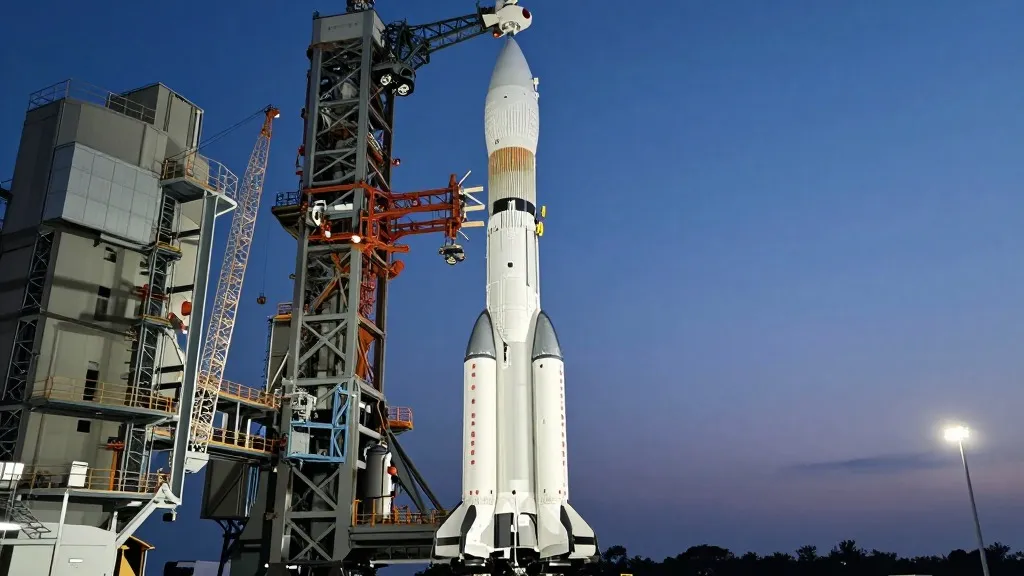
Beyond the American giant, international players are making steady progress. PLD Space, a Spanish company, reported that its Miura 5 rocket is nearing final integration. The vehicle is scheduled for its inaugural launch next year. CEO Raúl Torres noted that three Miura 5 vehicles have already been manufactured. Two of these are being used to qualify key system elements. The third is the primary launch vehicle. Torres stated that manufacturing these three units allowed their teams to work continuously across different production stages. This approach enabled them to apply lessons learned from each qualification campaign directly to the final launch vehicle. The company now targets a first flight of this small-lift vehicle before mid-2027.
Technical testing is already underway for the Spanish rocket. One Miura 5 second stage is now fully integrated. This integration kicks off system-level testing under representative operating conditions. The stage is currently at PLD’s Teruel test facility. It is undergoing a qualification campaign that includes a wet dress rehearsal and a static hot-fire test. These tests are critical for validating the rocket's performance before it attempts to reach orbit. The progress of the Miura 5 adds to the growing list of small-lift vehicles preparing for commercial and governmental missions in the coming years.
In Canada, Reaction Dynamics is seeking significant new funding to expand its operations. The company aims to raise $350 million to grow its staff from 68 to more than 350 people. This expansion supports the development of the Aurora rocket, a small-lift vehicle that the company hopes will reach orbit in 2028. Reaction Dynamics is one of three prominent Canadian launch startups in the current market. The company has also announced plans to build a medium-lift rocket called Borealis. The debut for the Borealis is targeted for 2031. This dual-vehicle strategy reflects a common trend among newer launch providers to offer both smaller, more frequent launches and larger, more powerful options over time.
The combination of SpaceX's contract decisions and the progress of international competitors paints a complex picture of the current launch market. The rejection of military contracts by SpaceX may signal a shift in how the company allocates its resources. Simultaneously, the detailed safety findings on Starship refueling remind investors and engineers of the persistent technical hurdles in space exploration. The steady progress of PLD Space and Reaction Dynamics indicates that the market is becoming increasingly crowded. Each of these companies is at a different stage of development, from final integration to seeking capital for staff growth. The next few months will likely bring further clarity on how these various initiatives impact the global space landscape.
Source: Ars Technica · original report published