The 55% Problem: Tesla's Shift to Fleet-Built Maps
Tesla is constructing its own mapping system to address persistent navigation errors, a strategic pivot that mirrors the approach of its primary competitor, Waymo.
By Olivia Grant ·
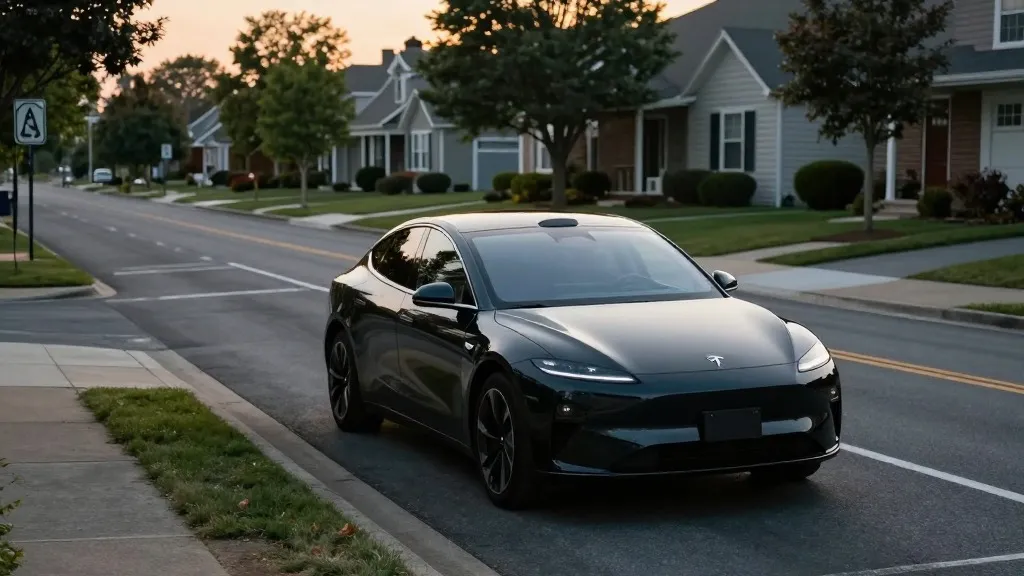
For drivers in the Mid-Atlantic and beyond who rely on Tesla’s Full Self-Driving system, the daily experience may soon change as the company moves away from third-party data. The shift addresses some of the most frequent frustrations users face, specifically the vehicle’s inability to correctly identify speed limits, locate parking, or select the most logical routes. This adjustment signals that Tesla is no longer content with relying on external navigation providers to handle the basic environmental cues that its cameras should theoretically process on their own.
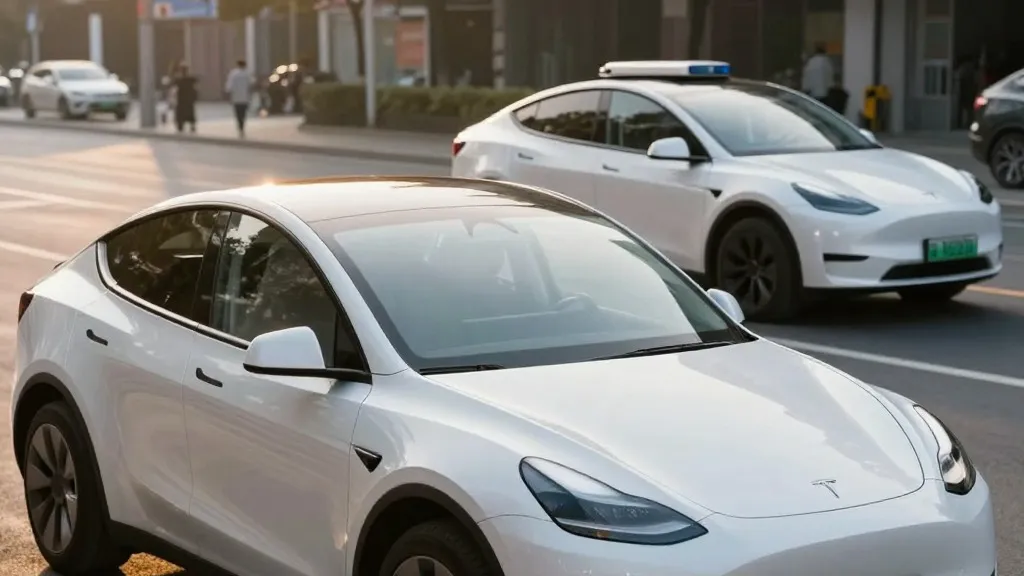
The decision comes with specific metrics that highlight the current shortcomings of the system. In a recent test conducted by a Belgian road safety group, Tesla’s FSD exceeded speed limits in 55% of 30 km/h zones in Brussels. The vehicles averaged 44 km/h in these areas, often because the dashboard incorrectly displayed a 50 km/h limit. This data point is significant because speed limit signs are among the simplest forms of road information. If a vision-based system struggles to interpret such basic signage, the resulting safety and efficiency gaps become clear. Additionally, the U.S. National Highway Traffic Safety Administration is currently weighing an investigation into claims that Tesla Robotaxis speed through active school zones, a concern affecting approximately 1,000 Model Y and Cybercab vehicles.
The announcement was made during Tesla’s Q3 2026 earnings call by Ashok Elluswamy, the company’s VP of AI. He acknowledged that the company “shouldn’t be depending on external people’s maps.” Elluswamy described a new AI-based architecture that will use data collected from the entire Tesla fleet to build these maps. This system is designed to learn individual driver preferences and respond to voice commands, moving beyond simple GPS coordinates to a more nuanced understanding of the driving environment.
The implementation of this technology will happen in stages. It will begin with handling the start and end of trips under FSD v15. Over the coming months, the system is expected to take over broader navigation, parking, and destination handling. This phased approach allows Tesla to integrate the new mapping layer gradually, ensuring that the collective learning from the fleet is refined before it is fully deployed across all driving scenarios.
This strategy represents a significant departure from the company’s public stance for the last seven years. In 2019, CEO Elon Musk declared that relying on high-precision lane maps was a “really bad idea” that made self-driving systems “extremely brittle.” At the same time, he dismissed lidar as a “fool’s errand,” arguing that Tesla could solve driving with cameras and AI alone. That messaging positioned Tesla as the only player capable of true, anywhere-driving autonomy without the crutches used by competitors. Now, the company is admitting that a map layer is necessary to fix the things its vision system gets wrong.
The new approach brings Tesla closer to the operational model of Waymo than the company has previously admitted. Waymo maps cities by driving sensor-equipped vehicles through them before launching service and continues to update those maps as its fleet operates. Tesla is now describing a similar process, where cars collect data on what they see, feeding a Tesla-built map that improves the driving experience for every vehicle in the network. The primary technical difference remains the hardware: Waymo’s vehicles are equipped with lidar, while Tesla relies on cameras.
This development also aligns with how Tesla’s Robotaxi service is currently structured. The service operates city by city within small geofenced areas, with Tesla managing the fleet operations. While the company is not currently discussing centimeter-level high-definition maps, a map built from the data of millions of cars has the potential to become highly detailed over time. This suggests that the “anywhere” promise may be evolving into a more managed, geofenced reality, similar to the model used by its rivals.
The stakes for consumers are high. Tesla has pushed the timeline for unsupervised FSD in consumer cars to Q2 2027, and it is currently limited to its Robotaxi fleet. The addition of a dedicated mapping system indicates that the company is prioritizing reliability over the pure vision-based narrative it has long promoted. For drivers sharing the road with these vehicles, the goal is to ensure that the cars can reliably read and apply simple rules like speed limits, reducing the gap between the promised autonomy and the actual performance on the road.
Ultimately, the shift to fleet-built maps is a pragmatic response to real-world failures. By using the collective data of its large user base, Tesla aims to create a competitive advantage in mapping that can correct the errors of its individual vehicles. If successful, this system could address the specific pain points that have frustrated users for years, providing a more consistent and predictable driving experience.
Source: Electrek · original report published