Texas Law Forces Nonprofits to Turn Away Voters
A new felony charge for paid ballot assistance has halted one-on-one outreach in the Rio Grande Valley, leaving elderly and disabled residents to navigate complex mail-in forms alone.
By Giovanni Serrano ·
Eustorgia Santos de Torres drove her blind husband, Nemorio, seven minutes to the headquarters of La Unión del Pueblo Entero in San Juan to help him fill out a mail ballot. Workers at the nonprofit, which has served the Rio Grande Valley for years, reluctantly told the couple they could no longer provide one-on-one assistance. The couple had to return home to complete the form themselves. This interaction illustrates the practical impact of Texas Senate Bill 1, a 2021 election law that makes it illegal for anyone to receive compensation for helping voters mark their ballots.
The law was passed by the GOP-dominated Legislature in 2021 following disputed claims about the 2020 election. It criminalizes paid help, defining compensation broadly to include benefits like gas money, college credit, or even meals. Violations are felonies punishable by up to 10 years in prison and fines up to $10,000. Following the law’s enactment, Attorney General Ken Paxton investigated advocacy groups in Latino communities. A federal appeals court upheld the key provisions, rejecting challenges from organizations including LUPE and the League of United Latin American Citizens.
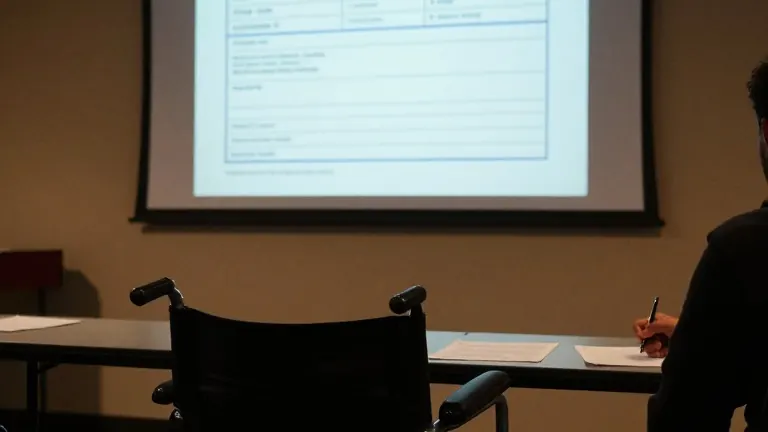
In response to the legal risks, LUPE has altered its operations. Executive Director Tania Chavez Camacho said the organization now hosts group sessions using screen projectors to explain ballot layouts. If a voter pulls out a physical mail ballot during these sessions, paid employees must step away to avoid proximity to the form. Staff have been trained to turn away individuals who request direct help, a shift that Camacho described as a major operational pain point for a group that assists approximately 30,000 people annually.
The restrictions place a heavy burden on the region’s demographics. The Rio Grande Valley has a population of more than 1.4 million, 90 percent of whom are Hispanic or Latino. About 24 percent of residents live below the poverty line, and Nemorio’s blindness is a complication of diabetes, a condition prevalent in the area. Lydia Nunez Landry, a coordinator for REV UP Texas, noted that the law has made voting arduous for people with disabilities. She said, 'That was our worst fear and now it’s happening.'
Volunteers face additional hurdles. The law requires them to sign oaths affirming the voter’s eligibility for assistance and detailing their relationship with the voter. They must also confirm they are not paid by a candidate or political committee. Zachary Dolling, litigation director at Texas Civil Rights Project, explained that the broad interpretation of 'compensation' creates anxiety among organizations. Some groups previously offered T-shirts or pens to volunteers, items now considered potential violations.
In 2023, Governor Greg Abbott vetoed a bipartisan bill that would have allowed blind or paralyzed voters to use electronic ballots. Such tools are already available for military voters and astronauts in Texas. Santos de Torres, who speaks mainly Spanish, expressed frustration that the law excludes people who need help. She asked, 'What if my husband didn’t have me?' The November election is approaching, with high-profile Senate and House races drawing attention to voter access in the region.
LUPE and other groups are shifting their focus to reminding voters of key deadlines rather than providing direct instruction. Chavez Camacho stated that people are not getting the support they need. The organization continues to operate under the constraints of SB1, relying on volunteers who are wary of making legal errors while assisting voters at the polls.
Source: The Texas Tribune