US State Department Cuts Diplomatic Staff Across Middle East Amid Advanced Iranian Threats
Washington is reducing its diplomatic footprint in the region after intelligence agencies identified lethal plots against American personnel in multiple countries.
By Petra Garnier ·

The United States is pulling non-essential diplomatic staff from embassies across the Middle East as intelligence agencies confirm that Iran has reached the advanced stages of planning attacks on American personnel abroad. The decision follows a classified memo from the Director of National Intelligence to the Secretary of State, which details a substantial increase in Iranian efforts to target US citizens overseas. This move marks a significant shift in resource allocation for the State Department, prioritizing operational security over full diplomatic staffing levels in key regional posts.
The threat landscape has evolved rapidly since the conflict began. On February 28, the US and Israel initiated a war against Iran. In the months that followed, US intelligence assessed that threats to American officials, including ambassadors, reached their highest levels. The recent memo from Jay Clayton to Marco Rubio indicated that lethal plots are now active not only in the Middle East but also in Europe. Some data suggests that Iranian operatives may already be operating within US borders, prompting a heightened state of alert for government staff worldwide.
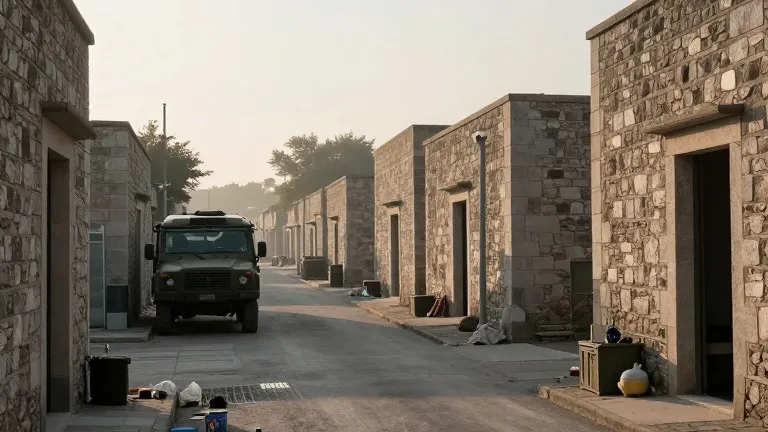
State Department officials cited escalating attacks on Saudi infrastructure by the Iran-backed Houthis as a primary driver for the staff reductions in Riyadh. However, a broader quiet withdrawal is occurring at other missions. Reports indicate similar downsizing at embassies in the United Arab Emirates, Bahrain, Kuwait, Qatar, Jordan, and Lebanon. A US official attributed these decisions to a combination of Houthi strikes and specific Iranian terror plots aimed at US officials. This coordinated reduction minimizes the human capital exposed to potential kinetic or covert threats.
Tehran has not publicly responded to the specific intelligence memo, though its military leadership has signaled a shift in doctrine. On Wednesday, Hossein Mohebbi, a spokesman for the Revolutionary Guard, stated that Iran would adopt a new offensive strategy if the US resumes attacks. He claimed that the quality, range, and power of Iranian missiles have improved, moving beyond a posture of pure retaliation. The Pentagon has confirmed that 21 US military personnel have been killed in the region since the start of the war, a toll that underscores the persistent risk to American forces.
Strategic planning in Tehran now includes targeting critical infrastructure. According to two senior Iranian security officials, the country has detailed plans to strike undersea communications cables in the Gulf if new US-Israeli attacks occur. Iran’s security chief, Mohsen Rezaei, warned that data centers and artificial intelligence facilities across the region are also potential targets. These assets represent high-value economic and logistical nodes, suggesting that Iran aims to disrupt digital connectivity and commercial operations in addition to military strikes.
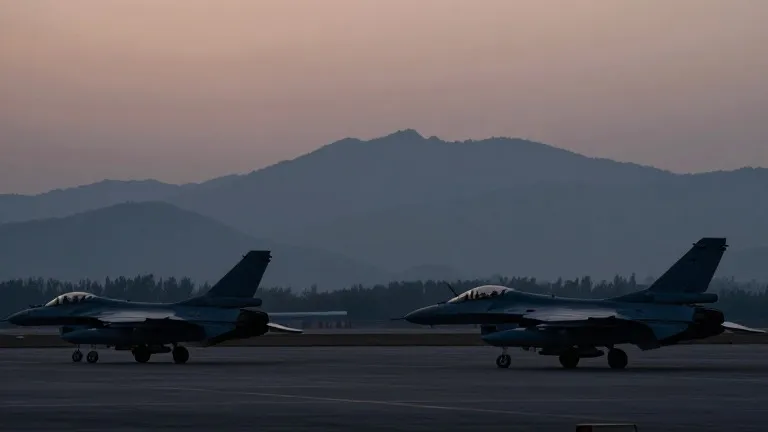
The current alert level follows a series of security incidents this month. US authorities recently pulled bombers from an airbase in England after fears of a possible attack. That decision came after a security incident at the base led to the arrest of several men by UK authorities on suspicion of working with Iranian intelligence. The US government has a long history of dealing with such plots, having convicted a Pakistani national in March for plotting to assassinate President Trump and other politicians on orders from the Revolutionary Guard.
Historical context shows a pattern of Iranian plots against American figures. In 2022, a Guard member was charged with arranging the killing of former national security adviser John Bolton, allegedly offering $300,000 to US citizens to carry out the task. Last year, the intelligence community warned that Iran would continue to directly threaten US persons globally, particularly those involved in the 2020 killing of Quds Force commander Qassem Soleimani. These precedents inform the current decision to reduce diplomatic exposure in high-risk areas.
The diplomatic retreat coincides with political calculations in Washington. President Donald Trump stated on Friday that the US may launch another major offensive, using the codename for the current war. With US mid-term elections scheduled for next month, officials are balancing military preparation with the need to secure the safety of the civilian diplomatic corps. The combination of advanced plot stages and reduced staff levels signals a cautious approach to engagement in the near term.
Source: Al Jazeera