NASA Confirms 2028 Moon Landing After Altering Docking Protocol
The agency moved the Orion-Starship rendezvous to high-Earth orbit to simplify the mission architecture and maintain the timeline.
By Olivia Grant ·
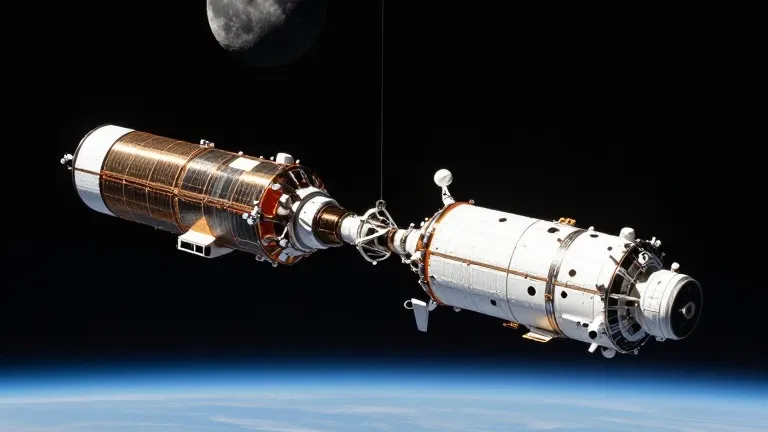
NASA finalized the schedule for a crewed lunar landing this Friday.
The agency announced that astronauts could reach the Moon as early as 2028. This target aligns with the Artemis IV mission. The plan relies on a modified approach to spacecraft docking.
Orion will now dock with the Starship lander in high-Earth orbit. Previously, the two vehicles were required to meet in a near-rectilinear halo orbit around the Moon. That specific orbital path demanded higher energy and created operational difficulties. The change removes those constraints from the Starship design requirements.
NASA still targets a demonstration mission in the summer of 2027. That flight, known as Artemis III, will test the docking capabilities of both the Starship and Blue Origin's Blue Moon lander. Blue Origin's plan involves four separate New Glenn rocket launches. None of those launches require in-space refueling. The Blue Moon lander may meet Orion in low-lunar orbit under that architecture.
NASA Administrator Jared Isaacman expressed confidence in the revised timeline. He stated that the path is achievable with the current mandate and resources. The agency has reviewed every element of the Artemis program to help lander companies speed up their work. The shift in Starship requirements traces back to early 2026 meetings with SpaceX engineers. They requested the removal of the halo orbit docking mandate. The cancellation of the Lunar Gateway earlier this year supported that change by eliminating the need for that specific orbital interface.
The presentation provided the first full public account of the revised mission architecture. Officials acknowledged that the plan has changed in significant ways since earlier reports. The agency aims to execute the announced dates with the support of its stakeholders.
Source: Ars Technica